
When Karen’s father was taken into federal custody after a single-vehicle crash on an Oklahoma interstate, his children were left to manage bills, school and daily life without a parent who had worked in the state for 28 years. The family’s story illustrates how Immigration and Customs Enforcement actions tied to local law enforcement cooperation are affecting Oklahoma households.
How the arrest unfolded
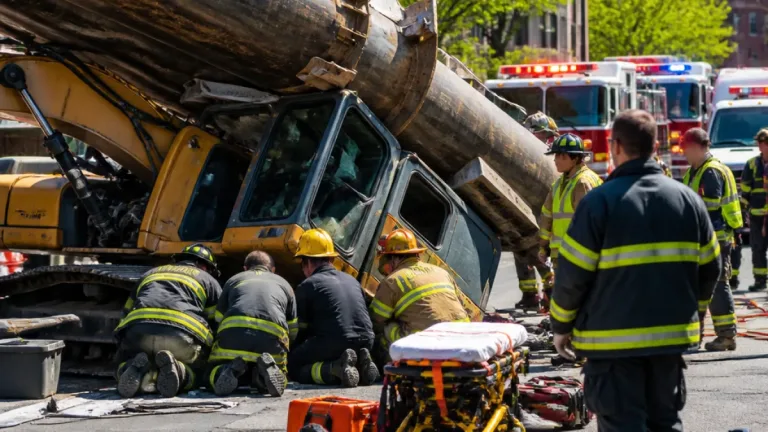
On the evening of Sept. 12, the father—identified in reporting as Ruperto—was involved in a crash while entering an interstate in the Oklahoma City area when his truck blew a tire and overturned. Oklahoma Highway Patrol troopers responded and, after questions about his identification and driving credentials, detained him. He was later taken to a jail in Purcell and ultimately deported.
“Ever since my dad’s been gone, it’s mainly my brother, he kinda stepped up to help with all the financial needs that my dad was doing for us,”
The family withheld their last name out of fear of further immigration action. While Karen remained in college to pursue a teaching degree, her older brother left school to work and cover household costs. The sudden loss of the primary breadwinner has forced the family to scramble to keep up mortgage payments and basic expenses.
Local enforcement, federal policy
Oklahoma’s highway patrol is among the 77 law enforcement agencies in the state that participate in the 287(g) program, which deputizes local officers to carry out immigration-related duties on behalf of ICE. The program has prompted debate about public safety, community trust and the consequences for families when routine traffic stops or crash responses lead to immigration enforcement.
- Children of detained immigrants often remain in the U.S., facing disrupted schooling and financial strain.
- Families report fear of interacting with police, which can hinder reporting of crashes or crimes.
- Local agencies say cooperation with federal authorities supports law enforcement goals; critics point to mounting community trauma.
Immediate impacts and broader questions
For this family, the immediate effects are concrete: a college student balancing tuition and classwork while relying on a sibling’s income, and a house at risk as mortgage payments become harder to meet. More broadly, the case raises questions for Oklahoma communities about the intersection of traffic enforcement, emergency response and immigration status checks.
| Date | Event |
|---|---|
| Sept. 12 | Truck tire blowout, rollover crash while entering interstate; troopers respond |
| Same night | Troopers question driver about license/immigration status; driver detained |
| Shortly after | Driver taken to jail in Purcell and later deported |
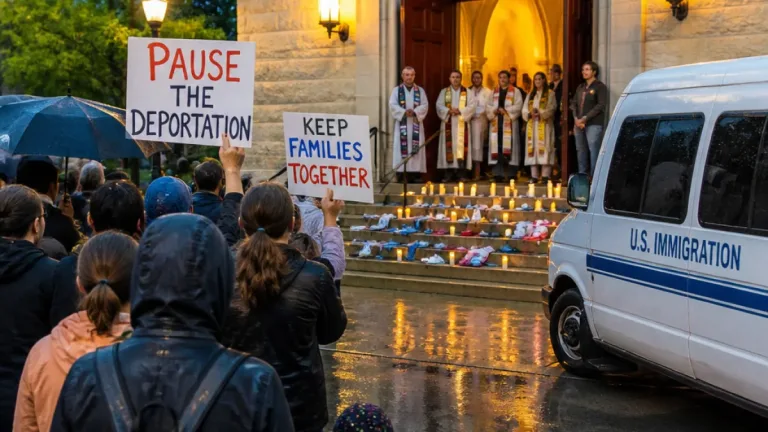
As communities across Oklahoma consider how local law enforcement coordinates with federal immigration authorities, families like Karen’s highlight the human cost: children who remain citizens, stepped-up responsibilities for siblings and a lingering fear that routine interactions with police can end in separation rather than assistance.
Reporting on cases like this underscores the need for clear public information about rights after crashes, available social services for families affected by deportation, and the local policies that govern cooperation with ICE. State and local officials have argued the 287(g) partnerships help enforce immigration laws; advocates and affected families say they are left picking up the pieces.