Washington's latest housing legislation creates new tools for local governments in Oklahoma to turn underused commercial buildings into affordable housing, officials and housing advocates say. State and local leaders welcomed the bill as a potential answer to a persistent shortage of homes for lower-income renters and middle-income buyers.
What the law does and why it matters
The measure, called the 21st Century ROAD to Housing Act, reduces certain federal regulatory hurdles that advocates say have made conversions and new affordable housing projects harder and costlier to pursue. Supporters say the change will help municipalities repurpose vacant retail, motel and industrial properties into apartments and other housing types.
U.S. Sen. James Lankford, R-Oklahoma, who voted for the bill, described the effort as tackling “red tape” that can stand between families and homeownership. In remarks to local media, he said the legislation focuses on clearing government-imposed obstacles to make homes less expensive and easier to obtain.
“It is one of the biggest drivers of the affordability issues that we have in the country right now,”
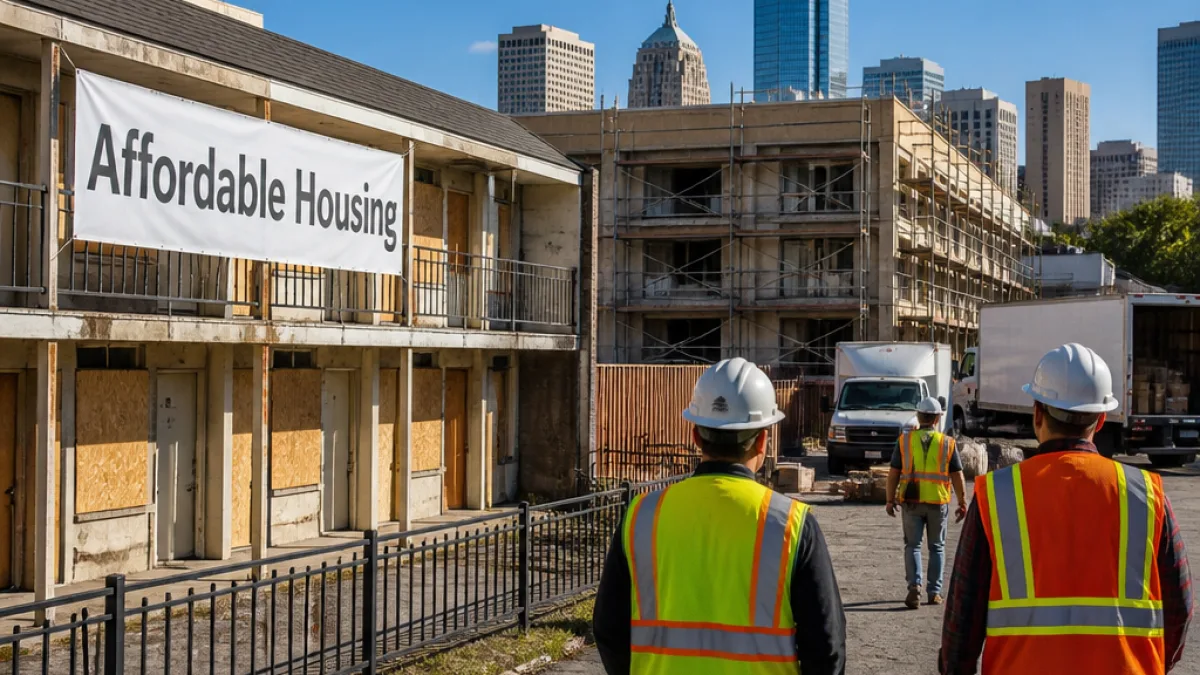
Democratic state Sen. Julia Kirt of Oklahoma City said the state already faces large shortfalls in affordable units and that many vacant buildings present conversion opportunities. Local housing officials have pursued similar projects: the Oklahoma City Housing Authority began converting a former motel into affordable units earlier this year.
Local context and numbers
Advocates point to a widening mismatch between housing supply and demand. Nationally, the National Low Income Housing Coalition estimates a shortage of more than 7 million rental units affordable and available to extremely low-income renters. In Oklahoma, local leaders say the gap includes roughly 70,000 homes and apartments needed for families now.
| Measure | Figure |
|---|---|
| National shortage of affordable rental units | 7,000,000 |
| Estimated Oklahoma shortage | 70,000 |
| Typical Oklahoma household wages cited | $60,000–$65,000 |
- City and state leaders say the bill could speed conversions of vacant retail, motel and industrial buildings into homes.
- The Oklahoma City Housing Authority has already begun one motel-to-housing conversion earlier this year.
- Local officials warn that even middle-income households earning roughly $60,000–$65,000 struggle with current housing availability.
Mark Gillett of the Oklahoma City Housing Authority noted the practical challenges of affordable projects, saying they face different financial dynamics than private construction deals. Local officials must still secure financing, zoning approvals and coordinate with federal and state programs — but they said the new law removes a layer of red tape that could make those steps smoother.
What to watch next
Implementation will matter: cities will have to adopt policies and deploy funding to take advantage of the new flexibility. Officials in Oklahoma City, which has already begun converting a motel to affordable units, said they will study how to expand similar efforts and welcome the federal support as a complement to local initiatives.
For residents tracking the issue, local housing authorities and municipal planning departments are the likely points of contact as communities begin to identify candidate properties and outline conversion plans.
As Oklahoma continues to grapple with a tight housing market, the new federal law offers one avenue to stretch existing building stock to meet demand — but its effectiveness will depend on how quickly and creatively local governments and housing agencies act.