
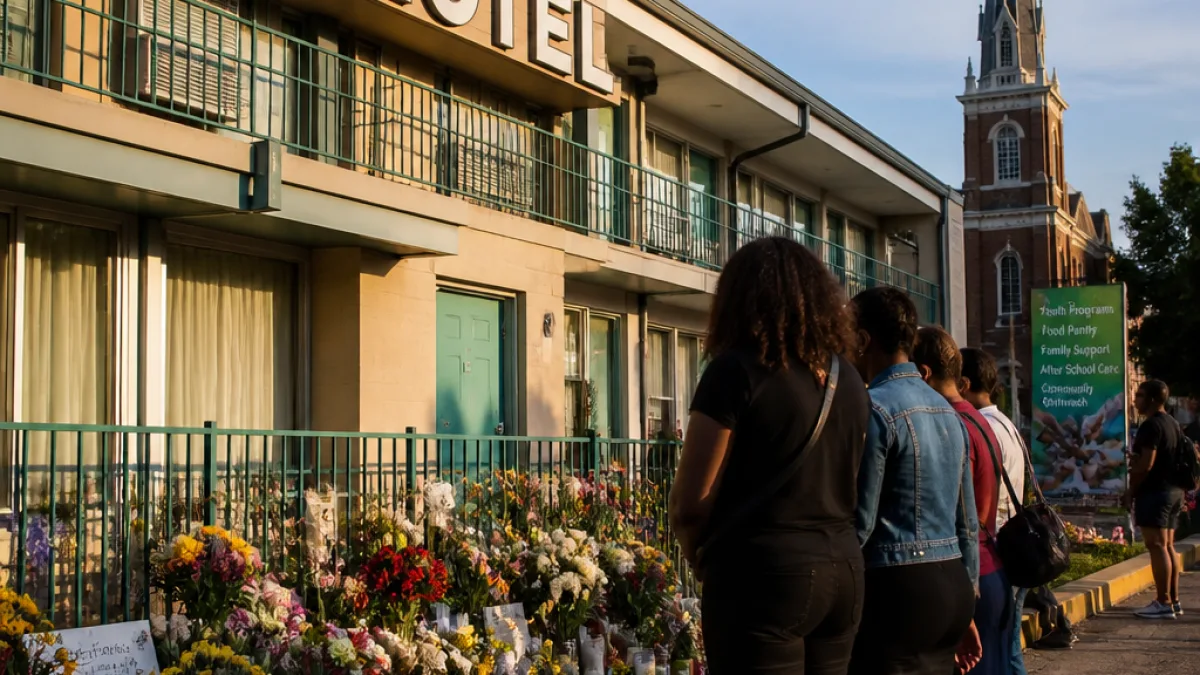
A Memphis life shaped by faith, service and moments that changed the nation
Clara Jean Ester, born in Memphis on February 17, 1948, spent a lifetime translating faith into organized care for vulnerable neighbors and steady advocacy for nonviolence. Her family roots in the city — her mother’s work at Bethlehem Center among them — grounded her in community service from an early age.
After graduating from Booker T. Washington High School in 1965, Ester attended LeMoyne-Owen College and became involved in the 1968 Memphis Sanitation Workers’ Strike. She helped organize rallies and attended strike meetings, and on April 4, 1968, she was among those at the Lorraine Motel when Dr. Martin Luther King Jr. was shot. She rushed to help and later said the experience "strengthened her commitment to love and nonviolence." Her involvement in those events ties her story directly to a defining moment in the city’s history.
In 1970 Ester moved to Mobile, Alabama, to serve as Neighborhood Organizer at the Dumas Wesley Community Center, a Christian service program that assists children, seniors and people experiencing homelessness. She later became the center’s Executive Director and led the organization until her retirement in 2006. Her ministry and leadership extended beyond local work into national church structures.
- Commissioned as a United Methodist deaconess in 1986
- Served as national Vice President of United Methodist Women, 2016–2020
- Held leadership roles on the General Commission on Religion and Race and with the National Association of Deaconess, Home Missioner, Home Missionary
Her faith communities included Centenary United Methodist Church in Memphis, where she was mentored by Dr. James Lawson Jr., and Toulminville-Warren Street United Methodist Church in Mobile. Throughout her career she emphasized ministry rooted in love and advocacy for marginalized people.
“Strengthened her commitment to love and nonviolence.”
Ester was preceded in death by her parents, Anderson Ester Sr. and Willie Love Ester, her sister Josephine Terry Knowles and two brothers. Her life bridged local protest and national church leadership, and her work with neighborhood programs and faith organizations leaves a record of sustained service that Memphis neighbors will recognize and honor.
| Year | Event / Role |
|---|---|
| 1965 | Graduated Booker T. Washington High School |
| 1968 | Participated in Memphis Sanitation Workers' Strike; present at Lorraine Motel, April 4 |
| 1970 | Began at Dumas Wesley Community Center (Mobile) |
| 1986 | Commissioned as United Methodist deaconess |
| 2006 | Retired as Executive Director, Dumas Wesley |
| 2016–2020 | Vice President, United Methodist Women (national) |
For Memphians who recall the sanitation strike, the Lorraine Motel, and the role of faith leaders in local organizing, Clara Jean Ester represents a through line: a child of the city who carried lessons learned in neighborhood centers into broader leadership and advocacy. Her life is a reminder of the many women whose steady work sustained movements and institutions across generations.