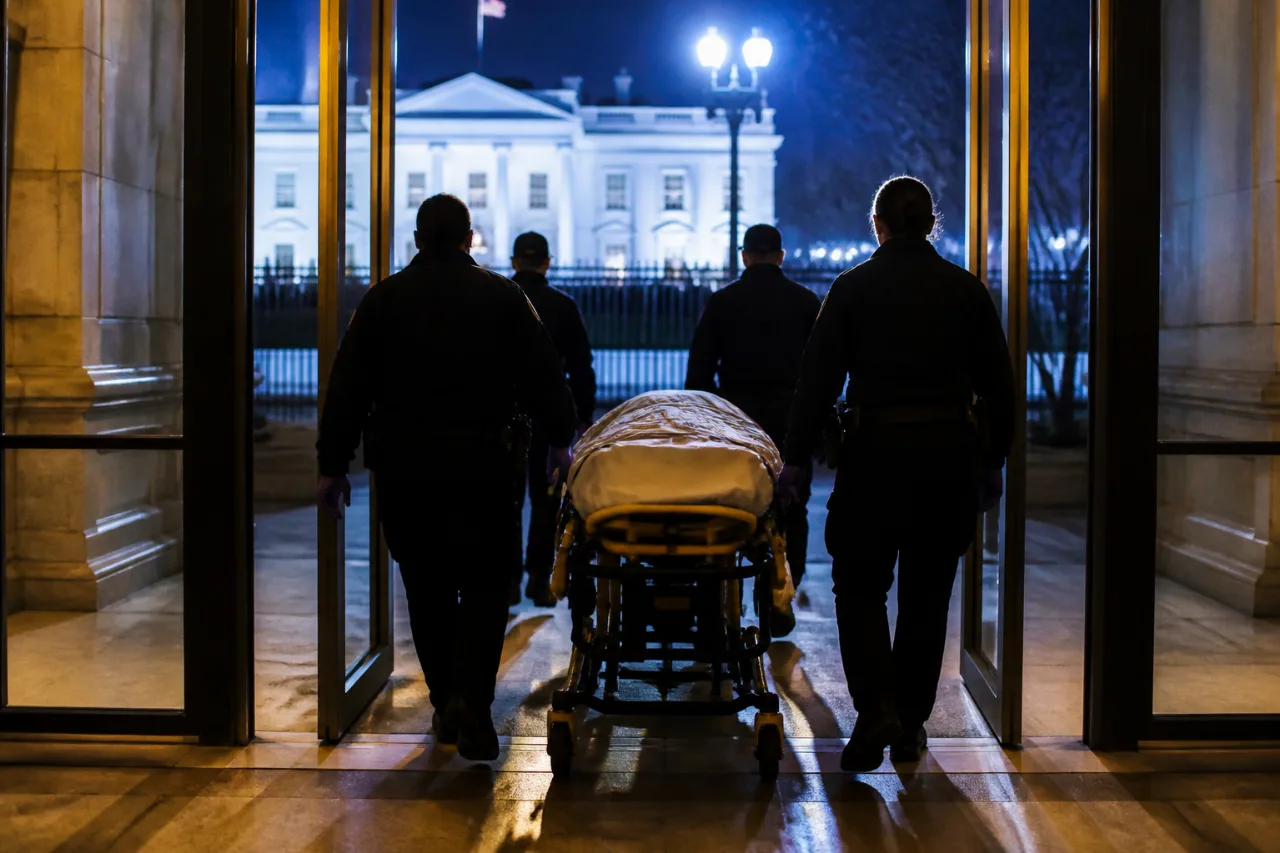
WASHINGTON — A defendant charged in the shooting of two National Guard service members near the White House was taken to a hospital for what federal prosecutors described as treatment to preserve his life after he stopped eating while in pretrial detention, court filings show.
Emergency medical transfer, court hearing
Justice Department prosecutors said they were notified that the defendant had been rushed overnight to a hospital for a potentially life-threatening medical condition related to an extended refusal to consume adequate nutrition while jailed. The filing said the U.S. Marshals Service had warned last month that the man faced risks of long-term health consequences, including death, because of the refusal.
The judge overseeing the case convened an emergency hearing to address the defendant's medical condition while he remains in federal custody. At the hearing, U.S. District Judge Amit Mehta instructed prosecutors to prepare a proposed order concerning care for the defendant.
Case background
Federal authorities charged the man in the shooting that left one National Guard member dead and another wounded near the White House. A court filing included an image and a courtroom sketch that appear to show the defendant at the scene and later in federal court proceedings. The filing did not provide further details about the circumstances of the food refusal or the defendant's condition at the hospital.
"[The defendant] was at risk of long-term health consequences, including death, due to his 'refusal to consume adequate nutrition for an extended period,'" prosecutors wrote in the court filing.
Legal and custodial implications
Prosecutors cited precedent in noting that courts have authorized involuntary feeding of detainees who undertake hunger strikes when such measures are necessary to preserve life. The filing did not indicate whether federal jail officials had yet taken steps to compel nutrition or what specific medical interventions were used after the hospital transfer.
Key factual points in the filings include:
- The defendant is in federal pretrial custody on charges tied to the shooting of two National Guard members near the White House.
- The U.S. Marshals Service warned prosecutors that his refusal to eat put him at risk of serious, possibly fatal, health consequences.
- An emergency hearing was held; the judge asked prosecutors to submit a proposed order addressing the defendant's medical care in custody.
| Date/Timing | Event |
|---|---|
| Overnight (prior to filing) | Defendant rushed to hospital for life-preserving treatment |
| Last month | U.S. Marshals notified prosecutors of risk from prolonged food refusal |
| Thursday (court filing) | Prosecutors disclosed hospital transfer and judge ordered proposed custody order |
The court filing did not elaborate on whether jail officials had attempted or planned to use involuntary feeding before the hospital transfer. It also did not provide additional details about the defendant's health status after arriving at the hospital. Prosecutors and the U.S. Marshals Service are involved in overseeing the custody and health of the defendant while the criminal case proceeds.
The shooting near the seat of federal government and the subsequent emergency medical and legal developments underscore the intersections of criminal procedure, detainee medical care and public safety when suspects in high-profile cases are held in federal custody.