BOISE — Last winter’s unusually thin snowpack is still shaping how Idaho prepares for the coming seasons: ski operators are hoarding snow under tarps, watershed managers are monitoring dried hillsides and communities are watching the forecast for what could be another warm, dry winter.
Resorts adapt after an early shutdown
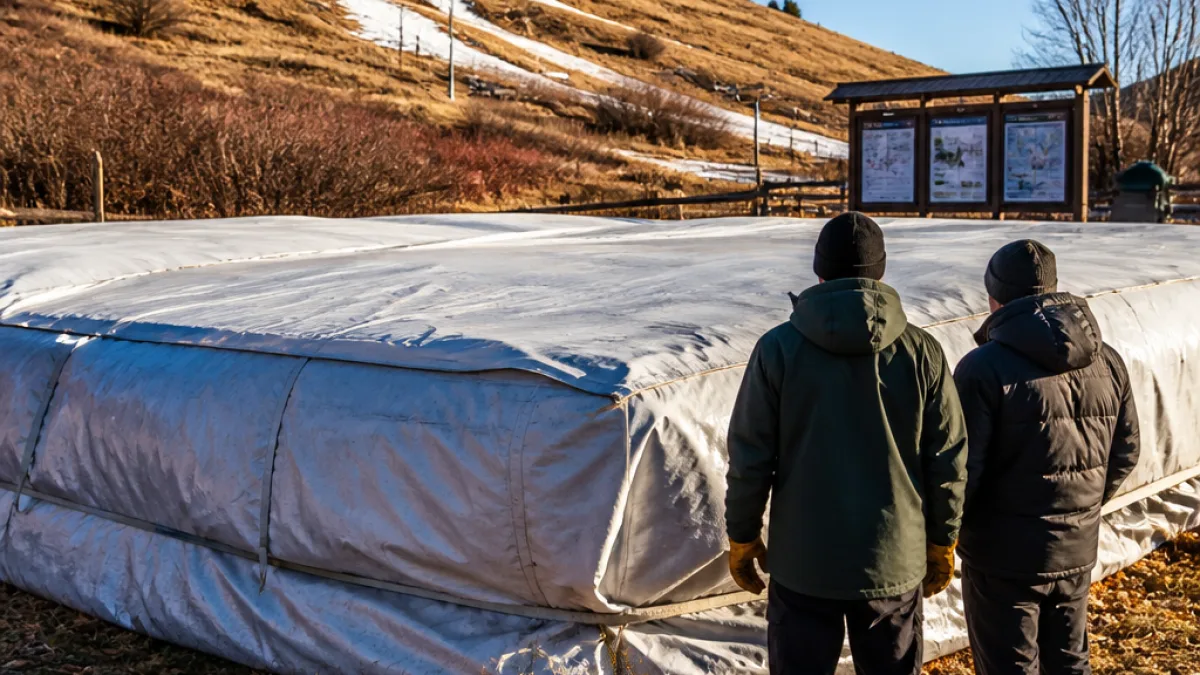
At the Bogus Basin ski area, managers inspected a large mound of snow kept under a white insulating cover at the base of the mountain — a deliberate insurance policy after an abbreviated season. The resort typically receives more than 220 inches of snow annually, but last season they shut down much earlier than usual, closing on March 22 when the slopes were already bare.
“We closed March 22 this year, and there was no snow,” said Brad Wilson, general manager at Bogus Basin.
The early closure interrupted revenue streams for the resort and pushed staff to consider new approaches to protect future seasons. Snow storage — collecting and insulating snow to preserve it through warm months for later use — has drawn renewed attention as operators weigh its costs and benefits.
Dry hills and heightened fire risk
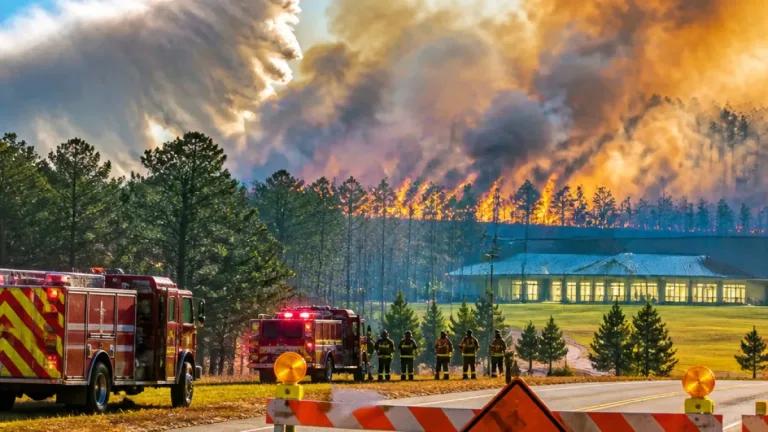
Beyond recreation, the lack of a normal snowmelt left soil and vegetation drier than usual heading into summer. That dryness contributes to earlier fuel availability for wildfires and could extend the period during which fires can start and spread. Local land managers and conservation groups have been raising alarms about what a repeat winter might mean for late-summer fire activity across Idaho’s forests and rangelands.
The National Weather Service is pointing to a strong El Niño developing this year, which typically increases the odds of warmer and drier conditions in parts of the West — a forecast that would compound local concerns if realized.
What this means for Idaho residents
- Recreation impacts: Shorter ski seasons, possible earlier closures and more reliance on snow preservation techniques.
- Water supply and ecosystems: Reduced spring snowmelt can affect streamflows, irrigation and late-season moisture for vegetation.
- Fire season: Drier fuels increase wildfire risk and may demand intensified preparedness and response efforts.
Local leaders and residents are watching forecasts closely. Ski-area managers say even with stored snow, a return to typical winter conditions is needed to reset reservoirs and recharge mountain soils. Conservation groups and land managers say the broader table of risks — water supply, ecosystems and public safety — depends on whether next winter brings a meaningful recovery in snowfall.
| Item | Detail from Bogus Basin |
|---|---|
| Typical annual snowfall | 220+ inches |
| Closure date last season | March 22 |
For Idaho communities that depend on winter recreation and on steady spring runoff, the recent season is a reminder of how swings in mountain snowpack ripple across the economy and the landscape. The coming months — and the next winter forecast — will determine whether this was an anomalous year or part of a new pattern local officials must plan around.