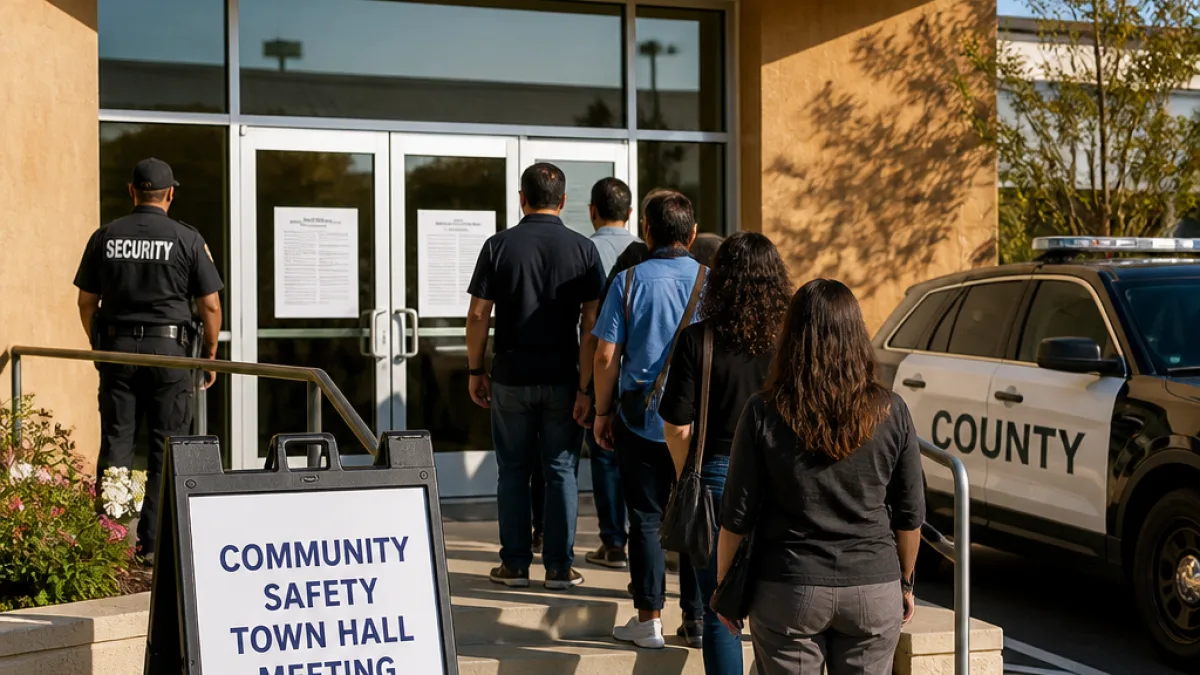
The Los Angeles County Sheriff Civilian Oversight Commission will convene a public business meeting on Thursday, July 16, giving residents a direct opportunity to follow and participate in discussions about oversight of the county sheriff’s operations.
Meeting details and public access
The meeting is scheduled from 9 a.m. to 1 p.m. at St. Anne’s Conference and Event Center, located at 155 N. Occidental Blvd., Los Angeles, CA 90026. Members of the public are invited to attend in person.
| Item | Details |
|---|---|
| Date | Thursday, July 16, 2026 |
| Time | 9:00 a.m. – 1:00 p.m. |
| Location | St. Anne’s Conference and Event Center, 155 N. Occidental Blvd., Los Angeles, CA 90026 |
What to expect
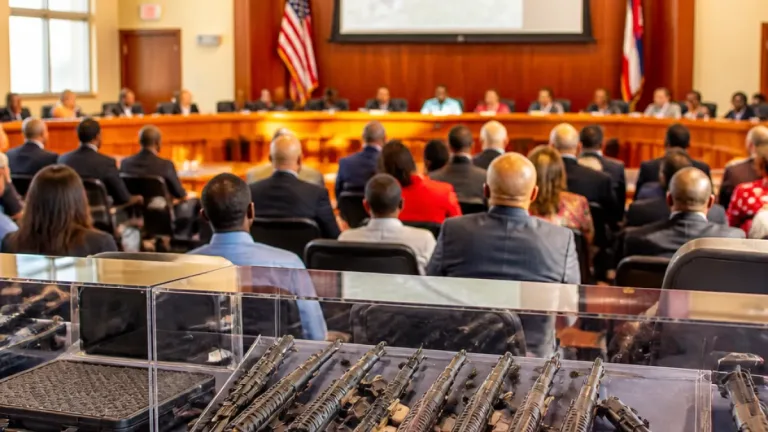
The commission’s business meetings typically cover oversight items, policy reviews, and recommendations related to the Los Angeles County Sheriff’s Department. Agendas commonly include updates on investigations, audits, community complaint processes and potential policy changes.
Residents and community groups often use these meetings to raise concerns about law enforcement practices, transparency and accountability. Attendees can expect opportunities for public comment on agenda items, though time limits and procedural rules are usually in place.
Context in the region
The commission operates within a broader local-government framework that seeks civilian input on sheriff operations across Los Angeles County. Oversight meetings have grown more prominent in recent years as communities push for stronger civilian review mechanisms for policing and corrections.
- Who: Los Angeles County Sheriff Civilian Oversight Commission
- When: July 16, 9 a.m.–1 p.m.
- Where: St. Anne’s Conference and Event Center, 155 N. Occidental Blvd., Los Angeles
Members of the public who are unable to attend in person should check the commission’s official website or contact its office for information about livestreaming, public comment procedures and future meetings.
Local stakeholders — including neighborhood councils, advocacy groups and city officials — regularly monitor these sessions for developments that could affect county policing policies and community safety strategies.