As England prepares to face Norway in a World Cup quarterfinal, a Kansas City foot specialist has quietly become part of the Three Lions’ medical support staff, illustrating how the United States’ role as a co-host is reaching beyond stadiums and into daily team operations.
Local clinician, global stage
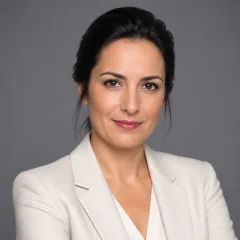
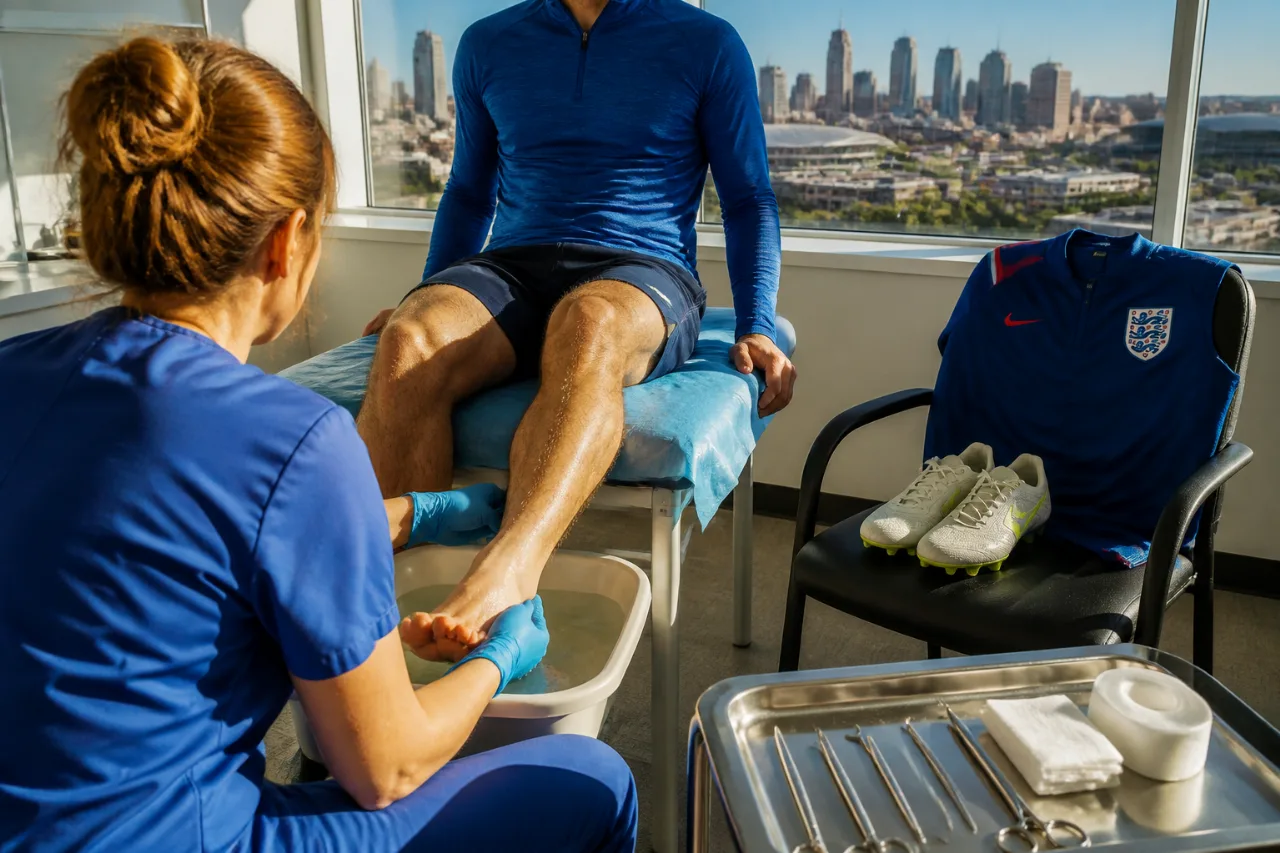
Dr. Dylan Grau, a podiatrist at University Health in Kansas City, has been assisting England’s medical team with routine and specialized foot care during the squad’s stay in the metro area. Grau, who said the chance to work with England "came out of nowhere," has treated players for common podiatric issues such as nail and callus care while adapting to the heightened demands of elite soccer.
"It was definitely a shock. It wasn't something I was anticipating."
Grau, a former college football and soccer player, said elite athletes often present with a detailed awareness of their bodies, which changes how conditions are assessed and treated. He described much of the work as routine but acknowledged the stakes are higher when athletes are competing for soccer’s top prize.
Why this matters to U.S. audiences
With the United States co-hosting the 2026 World Cup, local healthcare providers and other service industries have become part of the tournament’s ecosystem. The presence of international teams in American cities brings economic activity, logistical challenges and opportunities for clinicians to operate in an elevated, cross-border environment.
- Local medical staff can gain experience treating elite international athletes.
- Host cities see increased demand on healthcare and other support services.
- Interactions like these highlight the U.S. role in staging a global event beyond stadium operations.
Teams based in Kansas City
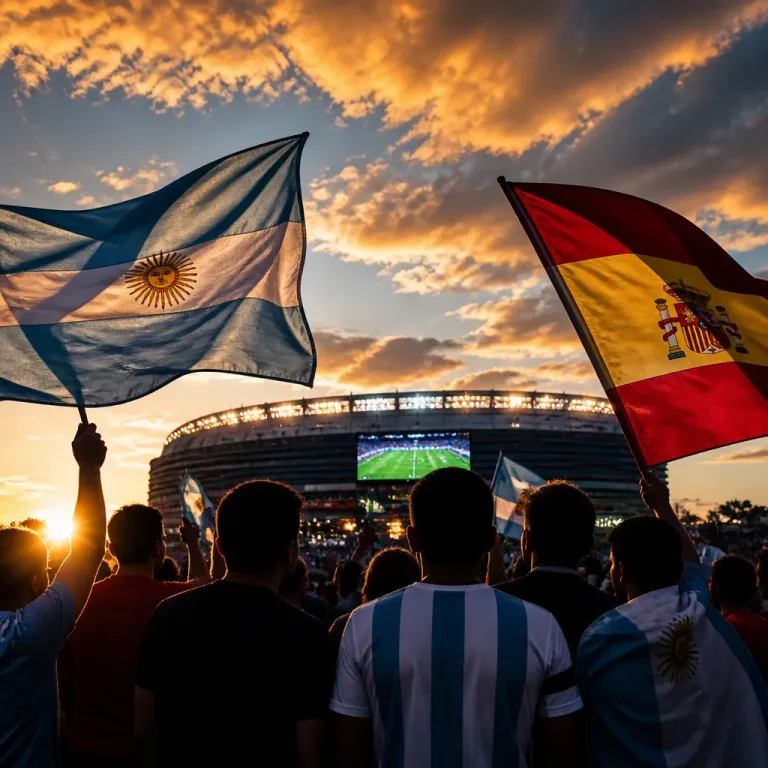
Kansas City has served as a base for multiple national teams during the tournament; among those still alive in the competition are England and defending champion Argentina.
| Team | Status (as of quarterfinals) |
|---|---|
| England | Advanced to quarterfinals |
| Argentina | Defending champion; still in tournament |
For American readers, stories like Grau’s provide a window into how the World Cup’s ripple effects touch everyday professionals — from clinicians to hospitality workers — in host communities. They also underscore logistical considerations when global teams are embedded in U.S. cities for an extended tournament: coordination with local health systems, rapid-response care for injuries, and managing expectations at a level above routine clinical practice.
Grau emphasized the difference between treating typical patients and elite athletes: they can often pinpoint issues precisely and are managing not just pain but performance and career-defining goals. That dynamic, he said, requires sensitivity to athletes’ objectives and a readiness to operate under pressure while delivering standard podiatric care.
As the World Cup progresses, the contribution of local professionals working behind the scenes — from medical staff to trainers and facility managers — will continue to shape teams’ experiences in U.S. host cities. For communities like Kansas City, those contributions translate into international exposure and a practical test of local systems while a global audience watches the results unfold on the pitch.