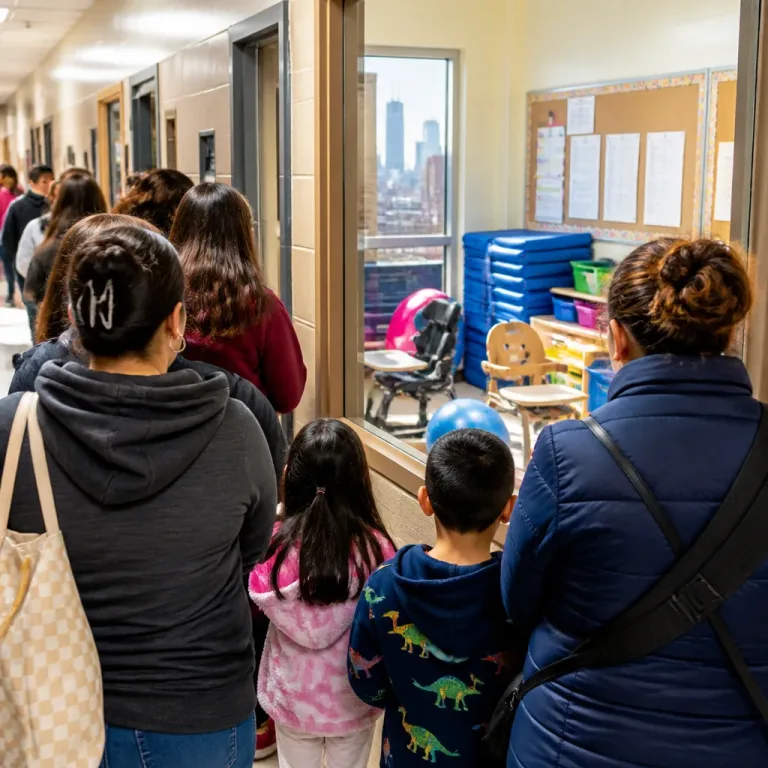
What changes for families and staff
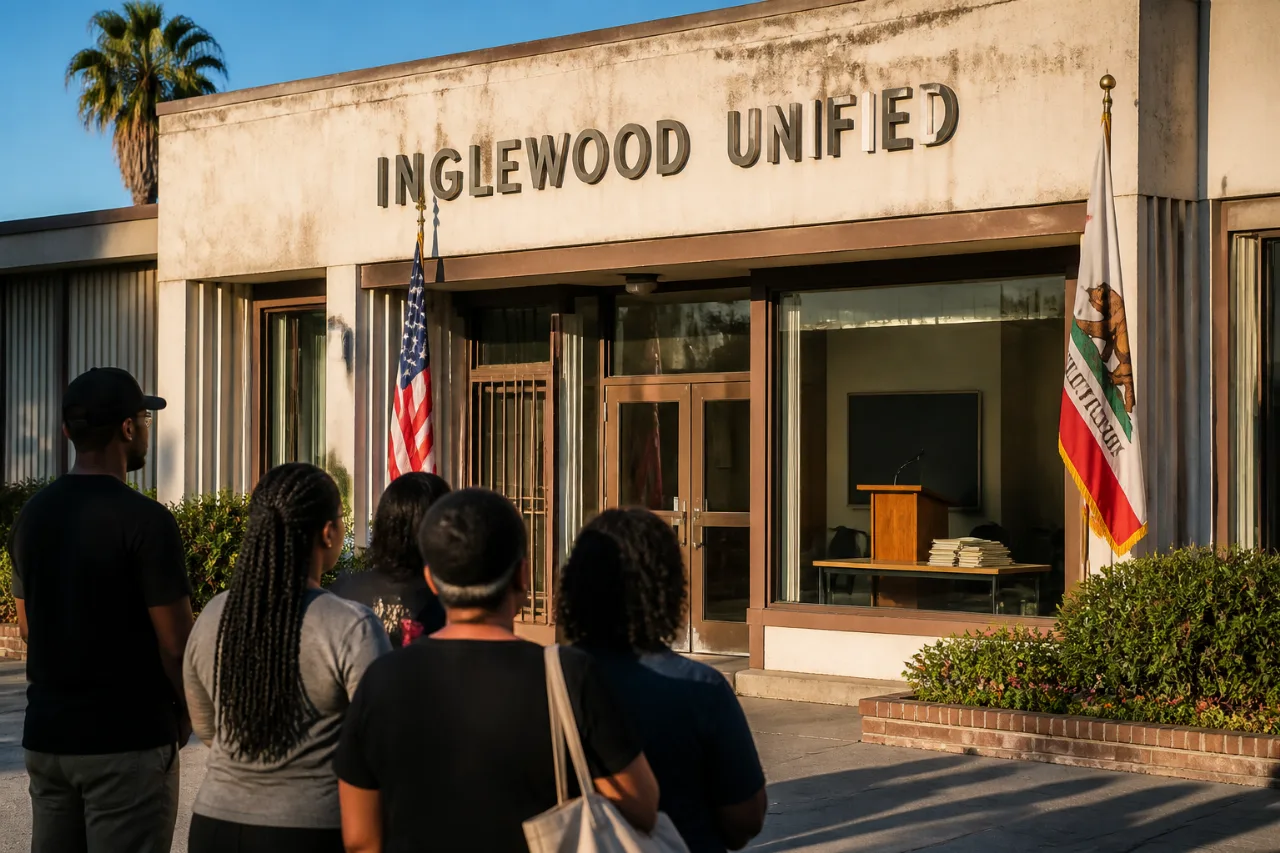
The Inglewood Unified School District will transition back to locally elected leadership next year, ending what state and local officials called the longest state takeover of a California school system. The move restores authority to a locally chosen school board and a superintendent selected by that board, shifting decision-making on budgets, staffing and curriculum back to residents.
The state took control of the district in 2012 after a financial collapse prompted a $29 million emergency loan. The intervening years brought deep changes across the district, including staff reductions, school closures and repeated leadership turnover that officials say hindered long-term stability.
Local context and consequences
Inglewood residents have watched the city transform into a regional sports and entertainment hub during the receivership, with new venues and shifting neighborhoods. District leaders and community members say the end of receivership is a milestone but not an endpoint: local control will require elected trustees to address lingering fiscal and academic challenges left from the decade-plus intervention.
- Decision authority: Budget, hiring and strategic planning return to the local board.
- Staffing impacts: Past austerity and lower salaries contributed to turnover; new leadership will face hiring and retention pressures.
- Community expectations: Families and teachers expect an emphasis on student outcomes and stable management.
“The district has built from the ground up again,” said Mae Wood, a retired Inglewood Unified teacher who has lived in the community more than 30 years. “So there was a lot of changes, but the changes I see now are changes that will benefit our children.”
Officials who oversaw the receivership face the task of ensuring a durable handoff. Throughout the takeover, the district experienced what state and local sources described as frequent leadership change — 11 appointed leaders over an 11-year span — which complicated consistent policy implementation and long-term planning.
| Item | Detail |
|---|---|
| State takeover began | 2012 |
| Emergency loan | $29 million |
| Leadership turnover | 11 leaders in 11 years |
| Receivership length | Nearly 14 years |
Education advocates, parents and district employees described mixed results from the period of state management: financial collapse was averted, but austerity measures and staffing pressures left unresolved challenges. The returning locally elected board will have to balance fiscal responsibility with efforts to raise teacher pay and academic performance.
The transition will be closely watched by families and staff across Inglewood, who say they want a stable administration that can focus on classroom outcomes amid continuing demographic and economic changes in the city. City leaders and education officials have framed the upcoming changeover as a new phase that requires community engagement to make local control effective.