After a pair of powerful earthquakes ripped through Venezuela on June 24, health authorities and international agencies are racing to prevent a secondary catastrophe: outbreaks of disease among tens of thousands left homeless.
Health leaders cite sanitation, crowded shelters as top concerns
The Pan American Health Organization (PAHO), the Americas office of the World Health Organization, said on Thursday that the immediate risks to survivors are likely to come not just from injuries caused by the quakes, but from the conditions that follow when health services are disrupted and people are forced into makeshift housing.
“In the coming weeks, the greatest health risks may stem not only from injuries caused by the earthquakes, but also from disruptions to health services, overcrowded conditions, deficiencies in water and sanitation and reduced access to vaccination and routine healthcare,”
PAHO Director Jarbas Barbosa made the comments during a call with journalists as the organization and Venezuela’s health ministry coordinate to monitor and respond to potential rises in respiratory and diarrheal diseases, febrile illnesses and other vaccine-preventable conditions.
Scale of the disaster and response plans
Venezuelan authorities have opened more than 80 shelters for survivors after the twin temblors, which the U.N. recorded at magnitudes of 7.2 and 7.5. By Thursday the number of people displaced stood at 17,907, with the death toll raised to 3,889 and 16,740 injured, according to U.N. and Venezuelan figures cited by international agencies.
PAHO plans to work with the government to:
- Monitor for respiratory, digestive and febrile syndromes;
- Increase access to vaccines and routine health care;
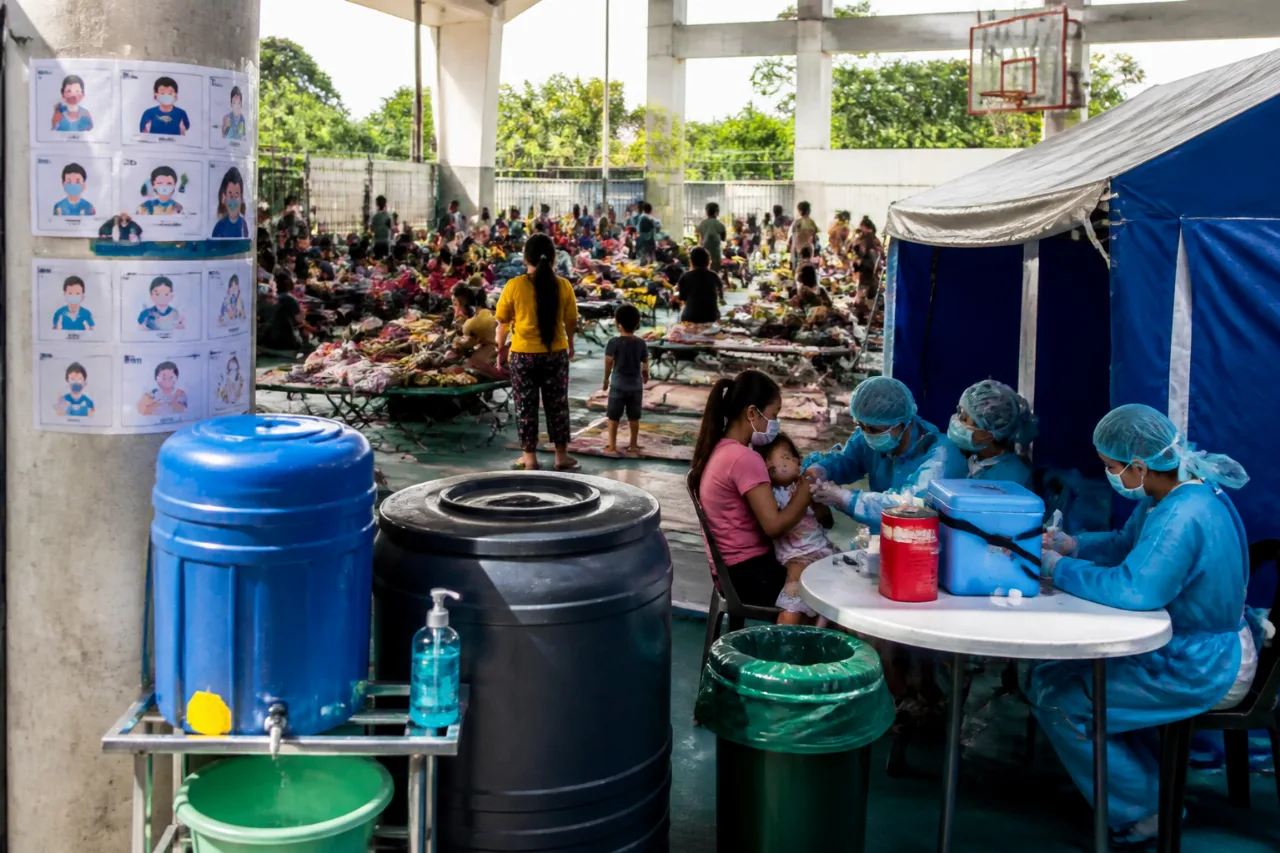
- Integrate field hospitals and shelters into an early-warning surveillance system for diseases likely to spread in crowded, unsanitary settings.
Tom Fletcher, the U.N.'s top humanitarian official, warned the magnitude and consecutive nature of the quakes leave any government stretched. He told Reuters the disaster would be "incredibly difficult for any government in the world" to manage, underscoring the need for rapid international support.
Immediate risks, medium-term challenges
With shelters packed and water and sanitation services impaired in many areas, public health teams are especially concerned about outbreaks of diarrheal illnesses and respiratory infections that can quickly overwhelm local clinics. Reduced access to vaccination—particularly for children and other vulnerable groups—raises the danger that vaccine-preventable diseases could spread in dense shelter conditions.
PAHO's planned early-warning system aims to detect increases in key syndromes early so interventions—clean water, sanitation supplies, vaccines, and mobile clinics—can be deployed before widespread outbreaks occur. The U.N. has set an aid target to reach about 1.3 million people deemed most in need over the next six months.
| Metric | Figure |
|---|---|
| Displaced people | 17,907 |
| Open shelters | 80+ |
| Reported deaths | 3,889 |
| Reported injured | 16,740 |
| U.N. aid target (six months) | 1.3 million people |
The coming weeks will test coordination between Venezuela’s health ministry, PAHO and U.N. humanitarian actors. The priorities are clear: keep communicable diseases at bay through vaccination and clean water, maintain access to urgent and routine medical care, and reduce overcrowding in temporary shelters.
For people rebuilding after the earthquakes, the immediate need is survival—clean water, safe shelter and access to medical care. For regional health authorities, the imperative is preventing secondary health crises that could compound the already vast human toll of the disaster.