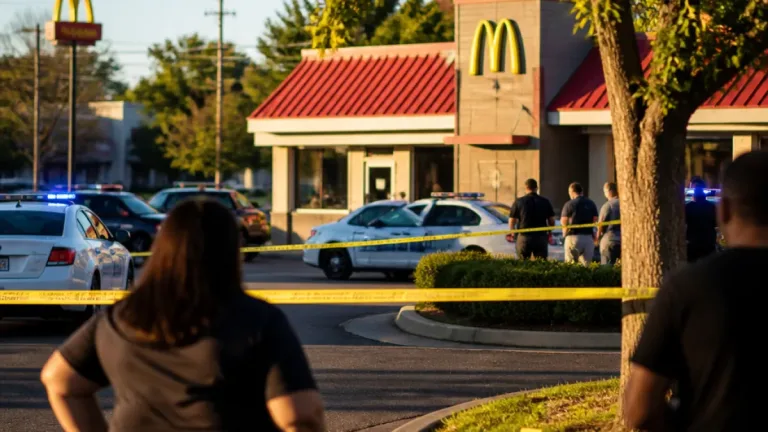

Family seeks accountability as prosecutions lag behind a surge in fentanyl deaths
In the predawn hours of July 5, 2019, a Newport News mother found her 20-year-old daughter unresponsive and later learned fentanyl had ended her life. The case that followed — messages pointing to a suspected street delivery, the mother's persistent pleas for action and, so far, no arrest — has become emblematic of a wider pattern across Hampton Roads: a dramatic rise in overdose deaths with barely any resulting criminal charges.
Tonya Miller has spent years pressing investigators and prosecutors. She recovered messages from her daughter’s phone that appeared to identify the man who delivered the drugs and describes the pickup location. Yet no arrest has been reported in the death, and charges tied to overdose fatalities in the region are vanishingly rare.
“There needs to be some accountability for the people that are peddling poison and killing people,”
That plea, written by the woman to a detective in 2019, echoes at coroner’s offices and police departments across the region. Local leaders say they want to provide answers to grieving families, and some prosecutors have opened fresh reviews when cases are publicly raised. Newport News’ newly elected commonwealth’s attorney has said she is reviewing the Miller case to see whether charges are warranted; the city’s police chief welcomed the review.
Numbers show a stark gap between deaths and prosecutions
Public health and criminal justice data underline the scale of the problem. Between 2016 and 2025, the Hampton Roads region recorded 4,321 overdose fatalities. Yet prosecutions tied to those deaths account for less than 1 percent of cases.
| Metric | Value |
|---|---|
| Overdose deaths (2016–2025) | 4,321 |
| Prosecutions from overdose deaths | Less than 1% |
This gap raises difficult questions for local officials and families alike: Are prosecutors reluctant to pursue cases because of evidentiary limits? Are police reporting and investigative resources adequate? Or are broader policy choices, such as prioritizing treatment and prevention over criminal enforcement, reshaping how authorities respond?
Local consequences and broader trends
For Hampton residents, the consequences are immediate. Families left without answers struggle to find closure. Neighbors witnessing a rise in overdoses ask whether public safety and public health responses are keeping pace. Across Virginia, fentanyl has driven overdose deaths upward since 2015, creating pressure on emergency medical services, shelters and treatment programs — and on the criminal justice system to adapt.
- Families seek clearer investigative follow-up and, in some cases, criminal accountability.
- Police point to caseloads and complex forensics as barriers to filing charges.
- Prosecutors must weigh the likelihood of conviction, public policy goals and limited resources when deciding whether to charge.
Public reporting on individual cases has sometimes prompted renewed reviews by prosecutors and new lines of inquiry by police. But whether those reviews lead to charges depends on evidence, legal standards and prosecutorial discretion — factors that vary by jurisdiction.
As the region continues to confront the fentanyl crisis, Hampton-area residents and families are watching to see whether policy and practice will change. They want two things: stronger prevention and treatment to stem future deaths, and clearer answers when a life is lost to a drug that increasingly drives mortality in communities across Virginia.