
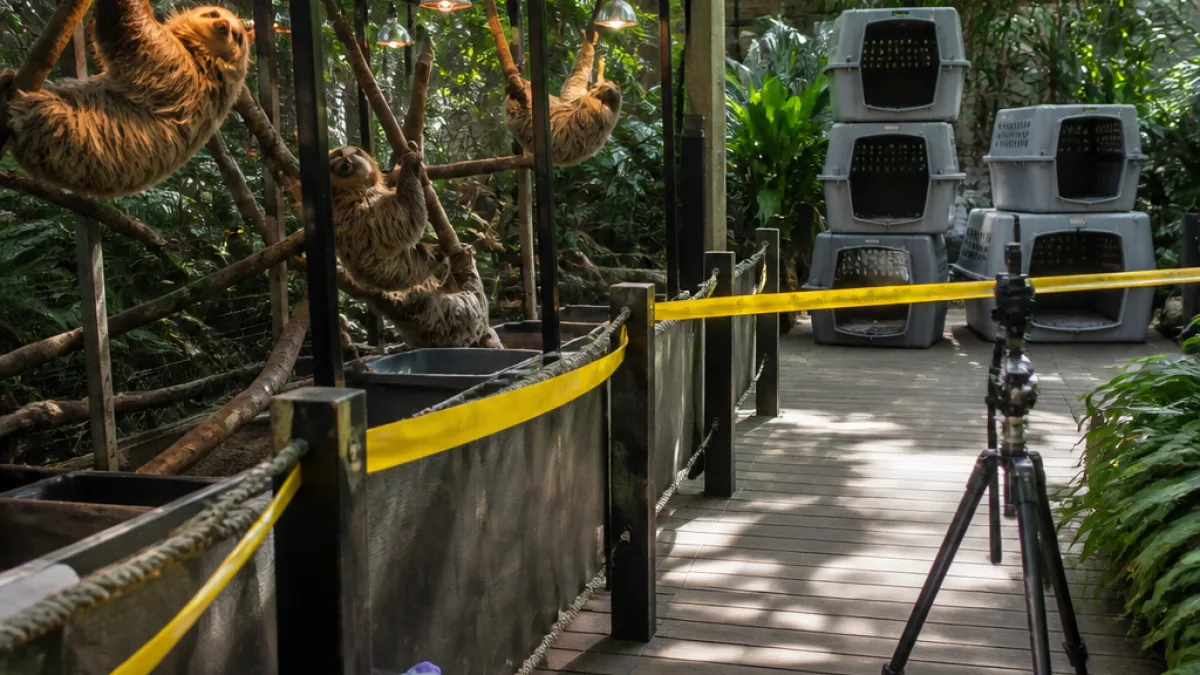
The Florida emergency order that temporarily barred sloth imports has expired, the Florida Fish and Wildlife Conservation Commission confirmed Monday, even as eight rescued animals remain in rehabilitation and a criminal probe into dozens of deaths continues.
The 60-day ban was issued in May after investigators linked the fatalities to animals that had been held for a planned tourist attraction on International Drive. The emergency restriction was intended to stop additional sloths from entering the state while authorities examined the conditions in which the animals had been kept.
What changes now for residents and businesses
With the temporary order ended, the FWC has not announced any new or continuing restrictions on sloth imports. That leaves the legal status of future shipments unclear for private importers, zoos and any organizations seeking to bring sloths to Florida.
Residents who follow wildlife and animal welfare issues should expect two immediate outcomes:
- Investigations to continue: state investigators remain engaged in the probe into the deaths associated with the intended "Sloth World" attraction on International Drive.
- Survivors remain under care: eight sloths rescued from the case are being treated and rehabilitated at the Central Florida Zoo.
Current facts from the case
| Item | Detail |
|---|---|
| Length of emergency ban | 60 days |
| Start of ban | May (issued by FWC) |
| Expiration | July 13, 2026 |
| Sloths rescued | 8 survivors at Central Florida Zoo |
| Planned attraction | Proposed "Sloth World" on International Drive — plans abandoned |
According to FWC investigators, dozens of sloths died after being housed in a holding facility tied to the proposed attraction, where the animals allegedly were left without adequate heat or water. Authorities have not filed criminal charges so far.
The Central Florida Zoo is continuing rehabilitation efforts for the surviving animals. Zoo officials have been identified as the caretakers; the agency has not provided a timetable for release or transfer of the animals.
State officials have not indicated whether they will pursue additional rulemaking or longer-term import restrictions aimed at preventing similar incidents. That decision would affect any future enterprises seeking to display exotic wildlife in Florida, as well as private importers and accredited zoological institutions.
For now, Floridians and visitors should note that while the temporary ban has lapsed, the underlying investigation remains active and local authorities continue to monitor welfare and permitting questions tied to exotic-animal displays.
News Block will update readers if the Florida Fish and Wildlife Conservation Commission announces further action or new regulatory measures.