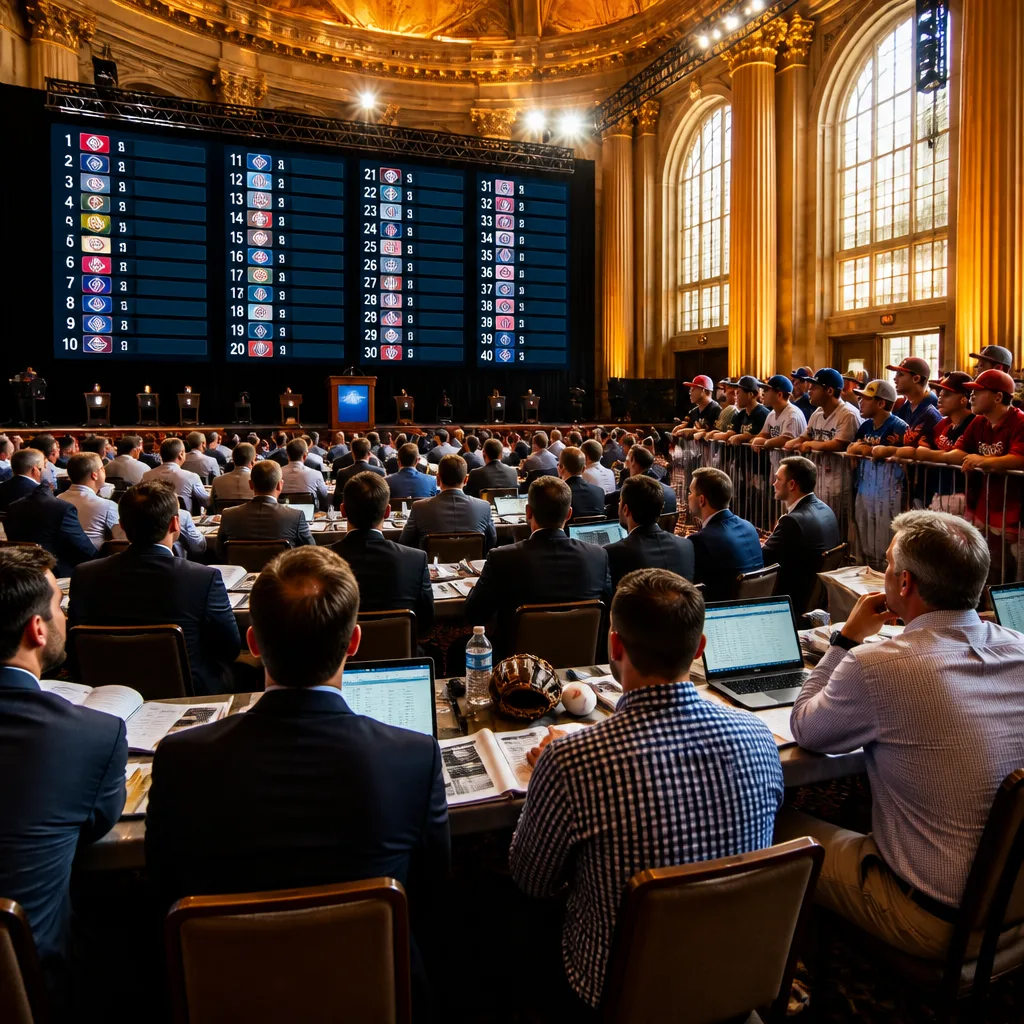
The 2026 Major League Baseball Draft kicked off in Philadelphia with franchises across the league making their first-round choices and establishing the blueprint for near-term roster building and long-term farm-system reinforcements.
High picks, strategic moves
With the event under way, clubs are juggling traditional scouting priorities and modern budget considerations. The Atlanta Braves, carrying the highest pick they’ve held since 2019, selected OF AJ Gracia from Virginia at No. 9 overall, a choice that signals an emphasis on adding impact position-player depth to a system that stumbled through 2025.
Earlier in the round, the Tampa Bay Rays used the top selection on SS Grady Emerson out of Fort Worth Christian (TX), while the Oakland Athletics picked OF Drew Burress from Georgia Tech. Teams are spreading their draft pools across high school bats and college-honed players as they weigh signability against upside.
Notable structural notes and draft mechanics
The draft order reflects both traditional slotting and incentive-related adjustments. In addition to the standard first-round sequence, the board included:
- Prospect Promotion Incentive picks, giving teams extra early selections
- Competitive Balance Round A entries that modified the late first-round landscape
Those mechanics pushed the overall first-day tally past the conventional 30 picks and created a deeper set of premium selections for clubs focused on immediate additions to their farm systems.
Early first-round snapshot
| Pick | Team | Player | School/Origin |
|---|---|---|---|
| 1 | Tampa Bay Rays | Grady Emerson | Fort Worth Christian HS (TX) |
| — | Oakland Athletics | Drew Burress | Georgia Tech |
| 9 | Atlanta Braves | AJ Gracia | Virginia |
What to watch next
Draft strategy this year will be judged on several axes: the ability to sign high-upside high school players without overspending international-style bonus pools, the strength of college hitters who can move through systems quickly, and how clubs use incentive picks to replenish systems depleted by trades and free-agent spending.
Coverage will continue through Day 1 as additional picks are announced and teams finalize bonus negotiations. For front offices, these early decisions will set the tempo for prospect development timelines and roster construction for seasons to come.
The 2026 draft is more than a ceremonial parade of names; it’s a working transfer of talent that can alter competitive balance and farm-system depth across the majors. Expect teams to be judged not just on who they take today but on how those players are integrated and developed in the years ahead.