Texas is facing increasing legal pressure to address life-threatening heat conditions inside its prison system as advocates and a grieving family press federal courts for relief.
Wrongful-death suit adds urgency
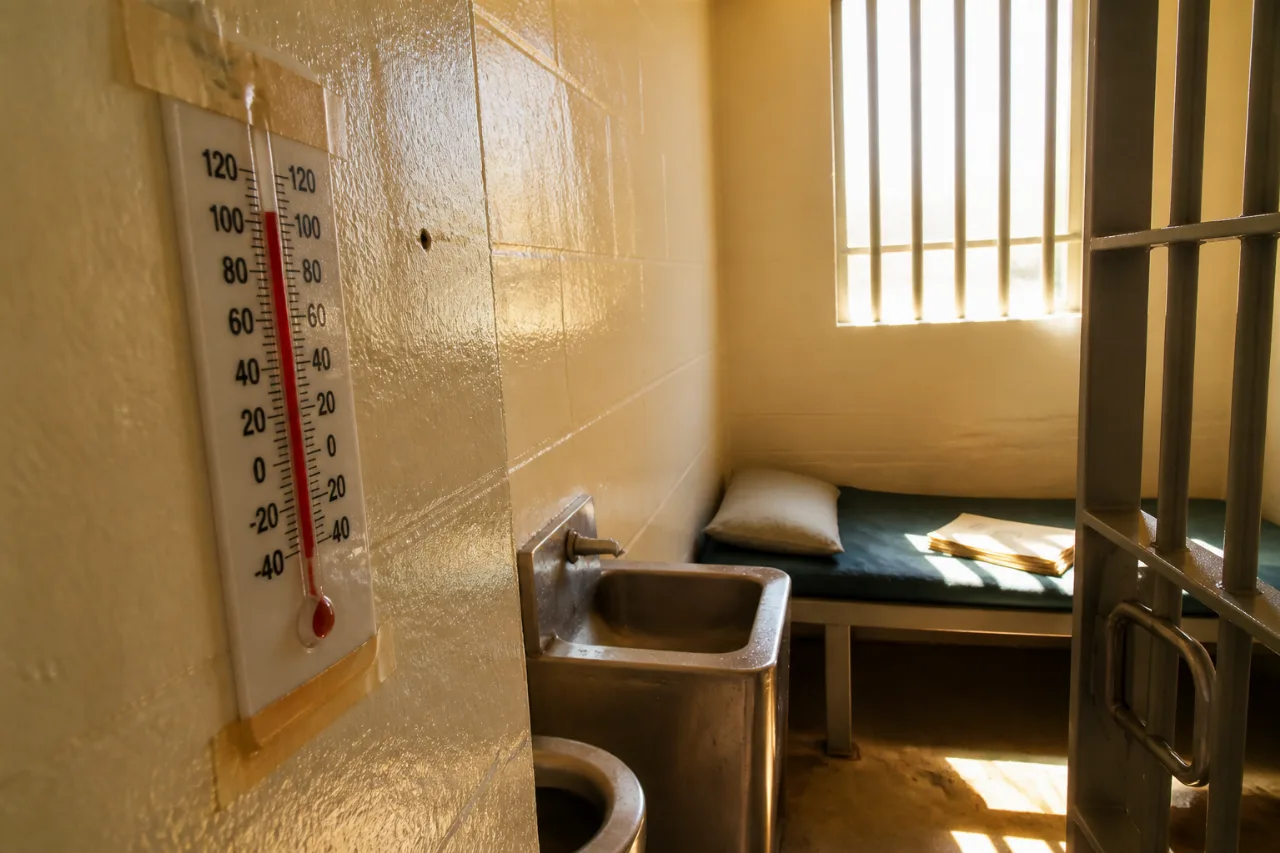
A new wrongful-death complaint filed in federal court in Houston alleges that the death of inmate Jason Wilson in July 2024 was the result of punitive, uncooled confinement at the Coffield unit. The family’s civil complaint accuses prison officials of failing to provide adequate water, regular showers and routine welfare checks — actions they say compounded the effects of cells that lack air conditioning.
“...deliberate indifference...that led to his death in a brutally hot, un-airconditioned cell,”
The suit characterizes the circumstances as both “deliberate indifference” and “intentional discrimination,” legal terms that, if accepted by a court, could carry significant remedies and oversight requirements for the Texas Department of Criminal Justice (TDCJ).
Broader litigation seeks statewide cooling plan
Separately, an alliance of advocacy organizations has been pursuing a federal action in Austin asking a judge to require the state to install air conditioning in all prison housing within three years. A ruling in that case is anticipated within months, potentially establishing a statewide mandate that would affect operations across TDCJ facilities.
- Prison population: Texas has about 141,000 people incarcerated.
- Uncooled cells: More than 85,000 are housed where cells lack air conditioning.
- Recorded temperatures: Internal readings routinely pass 115°F (46°C), with a reported high of 149°F.
| Metric | Reported figure |
|---|---|
| Total incarcerated in Texas | 141,000 |
| Held in un-airconditioned cells | 85,000+ |
| Typical extreme internal temps | 115°F (46°C)+ |
Advocates warn that prolonged exposure to such extremes can cause severe physical and mental health breakdown, and increase the risk of fatal heatstroke for individuals with underlying conditions. Reports from inside facilities include desperate measures by inmates attempting to cool down, underscoring the human toll behind the litigation.
What’s at stake for the state
A ruling requiring statewide air conditioning would carry substantial logistical and financial implications for Texas corrections: retrofitting older buildings, establishing maintenance and monitoring procedures, and changing daily care routines. For families and civil-rights groups, court action represents a path to immediate relief where legislative or administrative steps have not resolved the problem.
The proceedings in Houston and Austin together frame a moment of legal reckoning for TDCJ. Federal judges will weigh constitutional claims of cruel and unusual punishment and deliberate indifference against the state’s operational and budgetary defenses in the coming months.
As heatwaves return each summer, the outcome of these cases could determine whether millions in corrections funding are redirected and whether current practices for protecting vulnerable incarcerated people are fundamentally altered.