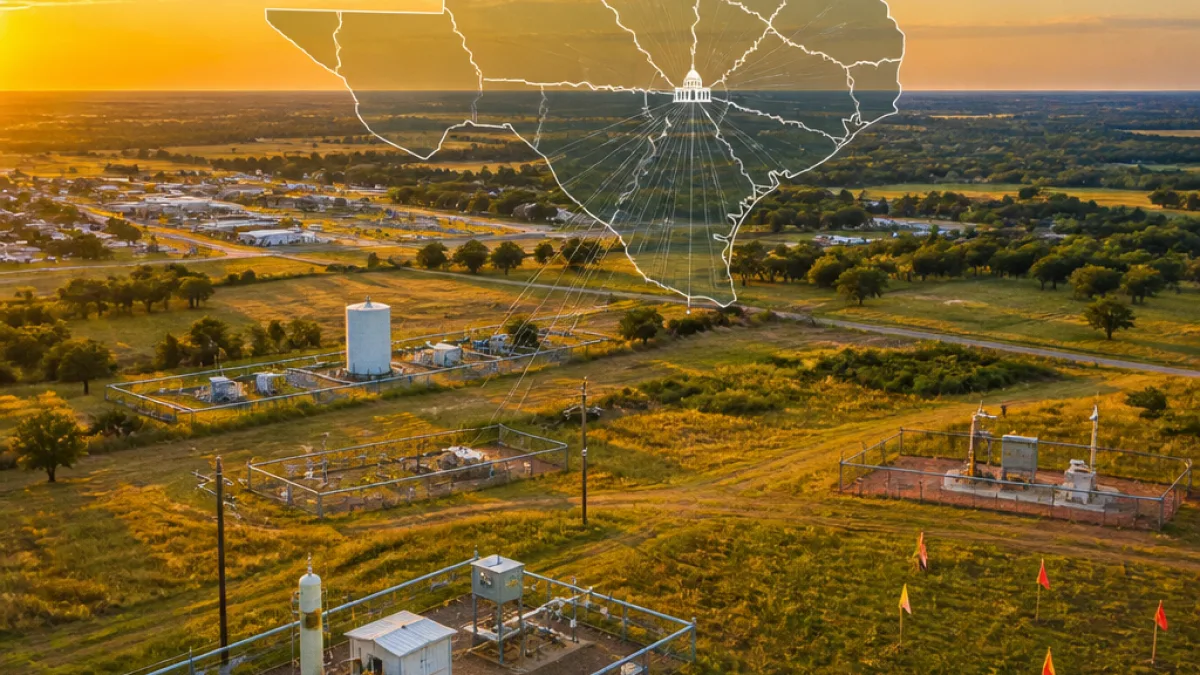
TEXARKANA — More than a dozen East Texas counties have taken the first formal steps toward creating a regional groundwater conservation district intended to slow unchecked pumping from the aquifer beneath their communities.
Local leaders move to guard against large out-of-region transfers
On Tuesday, Gregg County commissioners approved a resolution to join other counties that are preparing to form the proposed Northeast Texas Groundwater Conservation District. The move is part of a multi-county effort that must receive legislative approval in 2027 before the district can be established with regulatory authority.
Supporters say the district would set uniform guardrails for water use, create rules for drilling and manage permits for extraction — steps they argue are needed to preserve local supplies as growing Texas cities look eastward for water.
"It's a matter of being responsible stewards of what Mother Nature has given us," said Gregg County Judge Bill Stoudt. "We certainly can access it, but we need to make sure there's proper regulation so it's not overused and dried up."
Austin-based attorney Brian Sledge, who is assisting organizers, said 15 counties have signed on so far, with the possibility of more joining the effort. The formation of a groundwater conservation district would give local officials tools to regulate extraction that they currently lack in many parts of East Texas.
Why this matters for the region and the state
Parts of Texas face persistent water shortages as populations increase and demand rises. The Dallas area and other growing metropolitan regions have identified East Texas as a potential supply source. Regional water planning documents have singled out counties without groundwater conservation districts as likely targets for large-scale withdrawals.
One planning proposal cited by local officials includes the potential transfer of 25,000 acre-feet — roughly 8 billion gallons — from beneath Smith, Wood, Van Zandt and Upshur counties to meet demand in the Dallas region. County leaders say unregulated pumping and long-distance transfers could leave East Texas communities with diminished supplies and environmental harm.
- Counties currently signed on: 15 (and possibly growing)
- Legislative step: District must be approved by the Texas Legislature in 2027
- Potential extraction cited: 25,000 acre-feet (about 8 billion gallons)
The proposed district, if created, would allow local authorities to adopt rules about well spacing, pumpage limits and permitting — measures intended to balance withdrawals with long-term aquifer health. Advocates stress the move is about local control and stewardship rather than blocking legitimate municipal needs.
| Item | Detail |
|---|---|
| Counties signed on | 15 |
| Legislative approval needed | 2027 session |
| Possible transfer cited | 25,000 acre-feet (~8 billion gallons) |
For residents and local officials, the stakes are practical: ensuring reliable water for households, farms and industry while protecting ecological values that depend on steady groundwater levels. The next steps include continuing county-level approvals, coordinating among participating counties and laying groundwork for a legislative push in two years.
As discussions progress, affected communities will weigh competing priorities: regional water sharing to support fast-growing urban centers and the preservation of local supplies that sustain rural economies and ecosystems. The outcome will influence not only East Texas water policy but also how the state balances supply demands across a rapidly changing landscape.