Corpus Christi opened a pivotal chapter this week in a legal fight that could reshape how the city funds its water system and how much industrial consumers pay. A public hearing before state regulators in Austin will examine whether the city’s decision to raise water charges for several large plants was legally sound and the methodology behind the change.
What’s at issue
The controversy centers on a long-standing discount given to a small group of large-volume customers — including refiners and chemical manufacturers — that bought water at far lower rates than households and small businesses. City rate models showed those discounts amounted to roughly $15 million a year, surpassing $100 million over a decade, effectively shifting costs onto other customers.
- Refund demand: The industry coalition, organized as Affordable Water for Corpus Christi, is seeking an estimated $80 million in refunds.
- Rate change: The City Council voted 8-1 to double the so-called Outside City Limits industrial rate, a move that, by the city’s math, raised Valero’s annual bill from about $9 million to $18 million.
- Regulatory review: The dispute will be argued before an independent state agency as companies contend the hike lacked a fair methodology.
The hearing’s outcome carries material consequences for Corpus Christi residents and the broader Coastal Bend region. City leaders say the additional revenue is needed to correct a cross-subsidy that left residential customers and small businesses bearing a disproportionate share of system costs. Opponents maintain the increase was excessive and claim large industrial users should not be charged for infrastructure they do not directly own or use.
Local stakes amid a water shortage
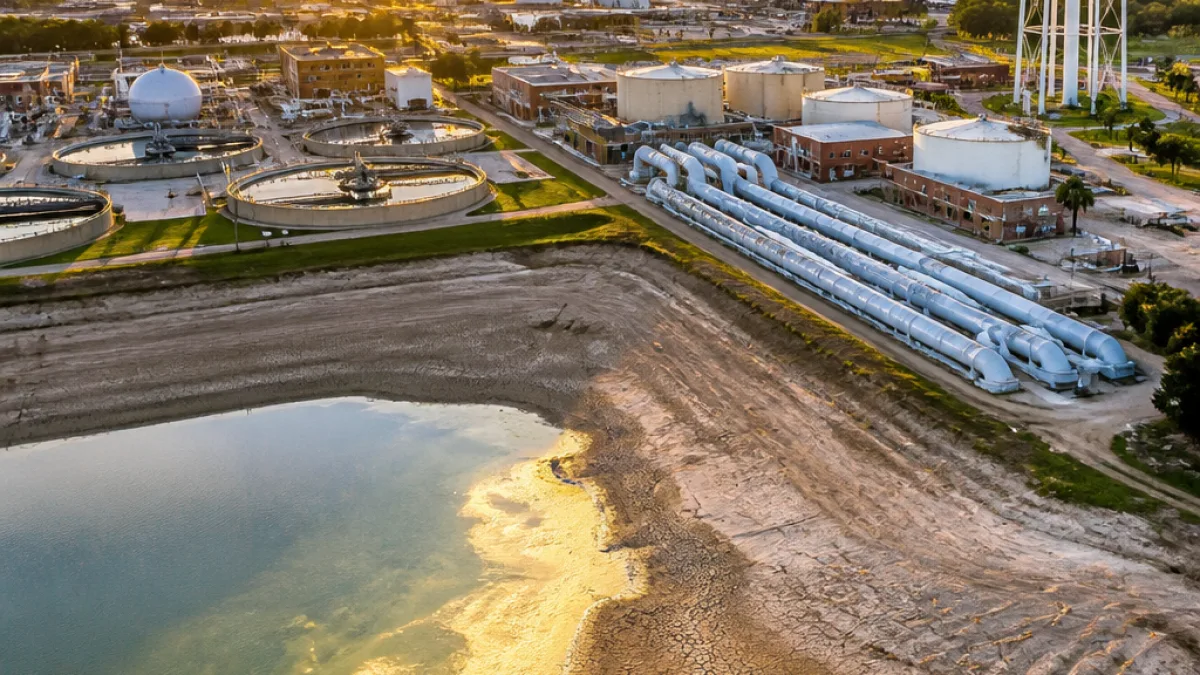
The procedural fight unfolds while Corpus Christi grapples with an unprecedented water-supply stress. Reservoirs are at unusually low levels, and municipal leaders have warned of possible emergency restrictions. If the industry wins and the city is required to repay tens of millions, officials have said the refund could deplete funds needed for water projects just as the community seeks financing to stabilize supply and reliability.
“I’m holding my breath. Let’s hope that we don’t have to pay them back.”
The comment came from a City Council member who supported raising industrial rates. Industry representatives, speaking through their coalition, framed the case differently. In a statement to regulators, an attorney for the industry said the question before the commission is whether the City’s rates were developed using a fair, evidence-based and legally compliant methodology.
| Item | Figure |
|---|---|
| Estimated annual subsidy borne by other customers | $15 million |
| Total subsidy over decade (city model) | $100 million+ |
| Industry refund demand | $80 million |
| Valero annual bill before/after | $9M → $18M |
| City Council vote on rate change | 8–1 |
How regulators weigh technical rate methodology against the city’s operational claims will determine whether Corpus Christi must return money to major industrial customers or retain the revenues to shore up water service. Beyond immediate accounting, the decision could set a precedent for how utilities in Texas and elsewhere allocate fixed and variable costs among disparate customer classes — a question that acquires urgency as climate-driven drought and population growth stress municipal systems.
For Corpus Christi, the stakes are both fiscal and practical: refunds could reduce the city’s ability to fund capital projects and emergency measures, while an adverse ruling could prompt a reassessment of rate design across the region. The hearing in Austin is expected to draw attention from regulators, municipal officials and industry representatives watching for guidance on similar disputes statewide.