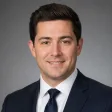
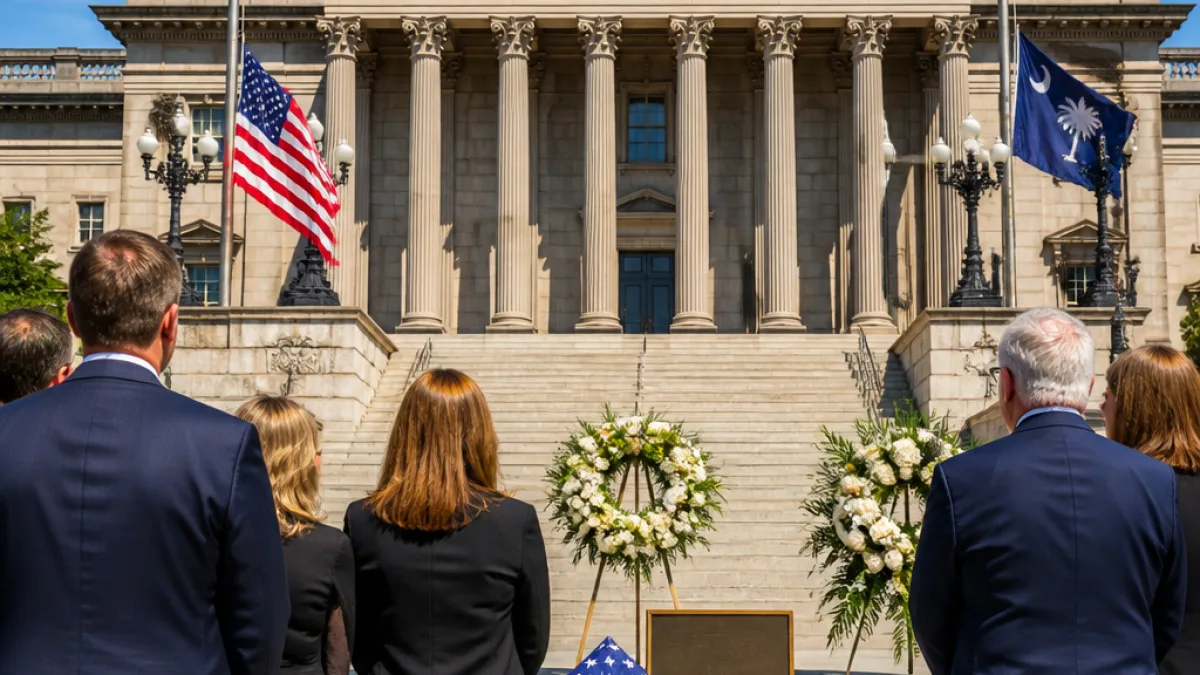
Columbia, S.C. — South Carolina leaders reacted with shock and remembrance after U.S. Sen. Lindsey Graham, a fixture of the state's political landscape for more than three decades, died over the weekend at the age of 71 from an aortic dissection.
Attorney General and gubernatorial candidate Alan Wilson praised Graham’s long record of public service and his role on national security and foreign-policy matters. Wilson said Graham’s stature extended beyond the Palmetto State and predicted his influence would be felt for years to come.
“It’s impossible to pick just one thing that he’ll be known for,” Wilson said. “Lindsey Graham’s shadow... covers the entire state, maybe even the entire country.”
Wilson noted Graham succeeded the late Sen. Strom Thurmond, a defining figure in South Carolina politics, and said few could match Thurmond’s stature but that Graham “certainly gave it his best shot.” He described Graham as “a towering figure” and “an amazing statesman” whose military service and long tenure in elective office shaped his approach.
What Graham’s death means for South Carolina
Graham served in the U.S. Senate since 2003 after representing South Carolina in the U.S. House beginning in 1995. His death creates an immediate vacancy in the Senate and will prompt action by state officials under South Carolina law to fill the seat. The timing also comes as Congress debates U.S. support for Ukraine and responses to conflicts abroad — policy areas where Graham had been a prominent voice.
Local leaders and residents will now watch state officials for their next steps, including any interim appointment and the schedule for a special election. The process and timing are set by state statute and gubernatorial action.
- Age at death: 71
- Cause: aortic dissection, according to initial reports
- Public service span: more than three decades in state and federal offices
| Office | Years |
|---|---|
| U.S. House of Representatives | 1995–2003 |
| U.S. Senate | 2003–2026 |
| Military service (Air National Guard) | Colonel (dates vary) |
Graham’s role on committees and his public profile on national security, military affairs and international diplomacy made him one of Congress’ most recognizable voices in those arenas. Colleagues and rivals alike often noted his willingness to take principled or contrarian positions, particularly on foreign-policy matters.
As the state absorbs the news, officials will be tasked with deciding an interim replacement and guiding the transition. Voters and political organizations across South Carolina are likely to weigh in quickly on the selection process and any special election timetable.
Further statements from other state leaders and national figures are expected in the coming days as arrangements are made for public memorials and official responses to the vacancy in the Senate.
Reporting for News Block. Delia Hayward contributed local reporting from Columbia.