Los Angeles officials and residents have less than three years to prepare for the 2028 Olympics, and State Senator Ben Allen says the region must accelerate work on transportation, public outreach and basic city services to avoid major disruptions.
What changes for residents
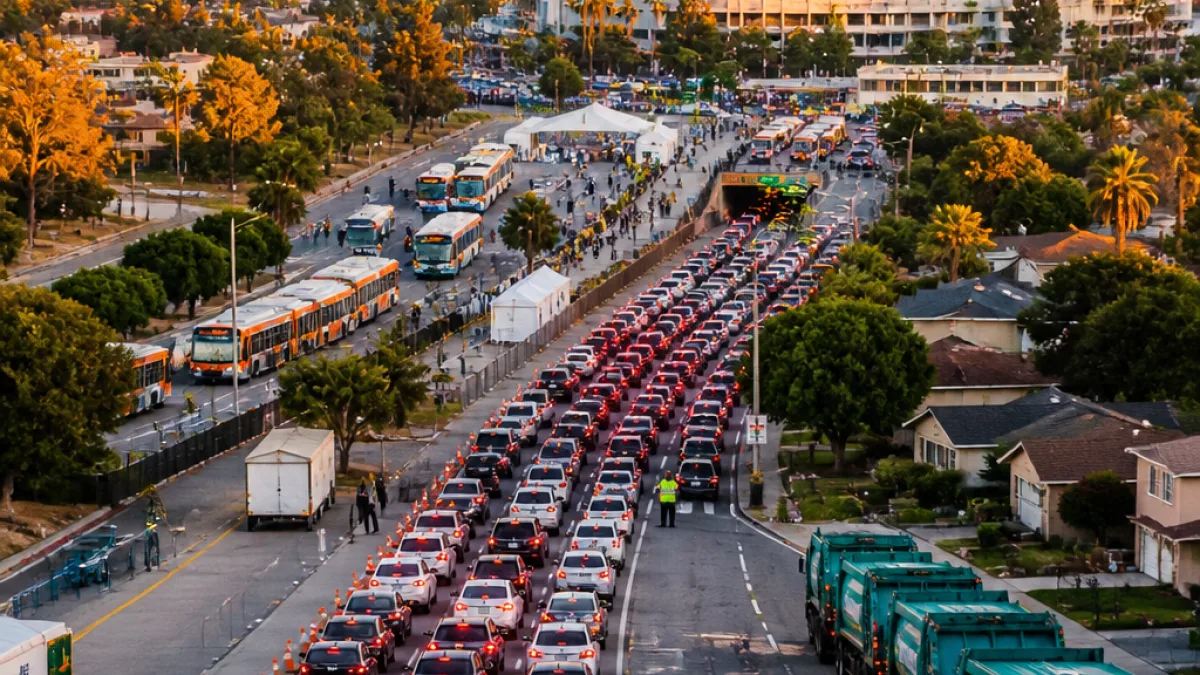
Travel to and around event sites will be affected by higher demand and periodic congestion, Allen said. That will require expanded operational plans for Metro, targeted traffic control and stepped‑up trash pickup and street services in neighborhoods hosting events.
“We’ve certainly seen significant congestion around the stadium,” Allen told CA Politics 360, noting the need to improve the in‑and‑out experience for transit riders and to plan for service levels that exceed normal operations during large events.
Lessons from the World Cup
The recent World Cup offered a preview of both strengths and weaknesses in Los Angeles’ event readiness. Stadium operations earned praise for fan experience, particularly in southern venues. But the tournament exposed pressure points:
- Traffic congestion around stadia during events;
- Parking price spikes near venues that strained locals and visitors;
- Immigration and credentialing problems that delayed officials or teams;
- Higher demand for basic services such as waste collection and traffic control.
Those takeaways, Allen said, point to the need for earlier vetting of visas and better coordination with federal partners to prevent entry denials or one‑off arrangements that complicated team movements.
“We’ve got to do more public outreach. We’ve got to be better prepared,” Allen said, describing a need to start vetting much earlier than before.
Coordination with partners
Allen emphasized collaboration among city, state and federal agencies. He said lawmaking and operational adjustments will be required to smooth cross‑border issues and to ensure Metro and other transit providers can handle spikes in demand.
He also pointed to political and logistical lessons from the World Cup — including visa denials for match officials and the temporary basing of an international team in Mexico — as examples of problems Los Angeles should anticipate and avoid at Olympic scale.
| Area | Issue noted |
|---|---|
| Transit | Need for improved crowd flow, traffic control and higher service levels |
| Immigration/Visas | Earlier vetting required to prevent denied entries |
| City services | Increased trash pickup and street services during events |
Allen estimated Los Angeles’ readiness as a midrange grade at the moment, saying, by his measure, the city still has “a lot more work to be done” before 2028. The comments underline that while venue quality and fan experience can be strong, operational details — many of them municipal in scope — will determine how smoothly the Games run for residents and visitors alike.
For Angelenos, the coming years will mean stepped‑up planning and public outreach from city and transit agencies, and likely temporary disruptions in neighborhoods surrounding major venues as officials test and upgrade systems ahead of the Olympics.