The Department of Justice has issued subpoenas to four New York Times reporters who wrote about security concerns tied to a Qatari-donated jet that has served as the new Air Force One, the newspaper reported Friday. The subpoenas seek testimony before a federal grand jury scheduled to convene in Manhattan next week.
Who was subpoenaed and how
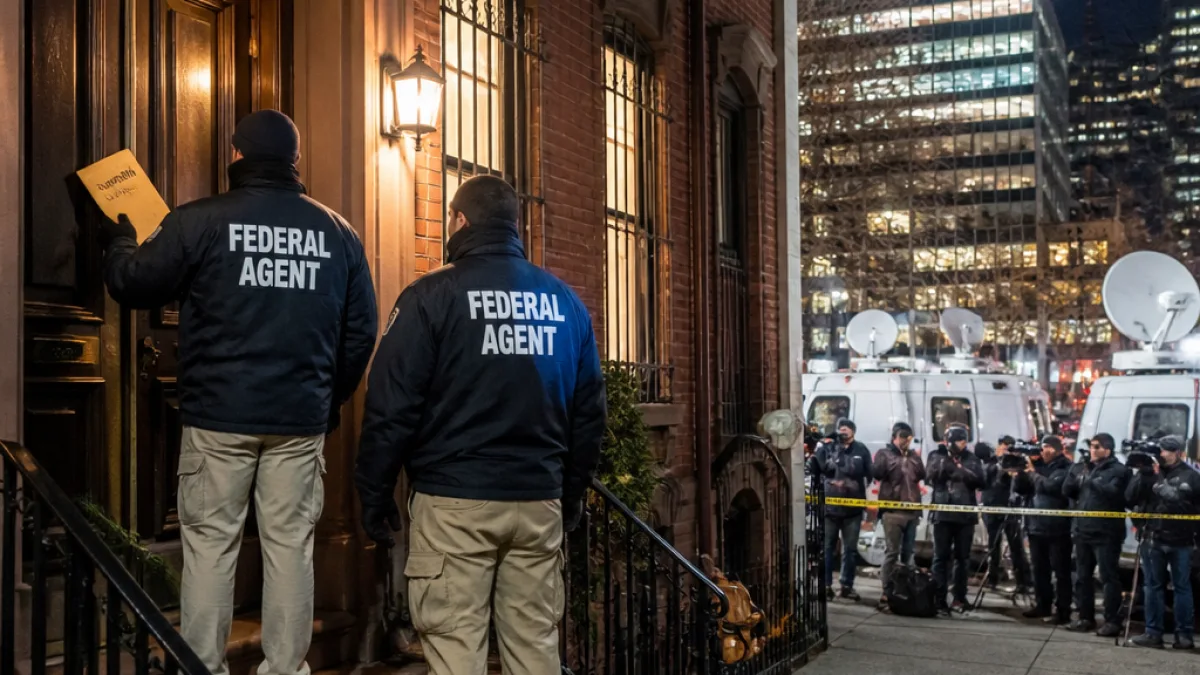
The Times identified the journalists as Julian E. Barnes, Eric Lipton, Tyler Pager and Eric Schmitt. According to the newspaper, federal agents personally delivered some of the subpoenas to reporters' homes, a tactic the paper's legal team called particularly alarming.
“The appearance of federal law enforcement agents on the doorstep of news reporters should shock the conscience of any American who believes in the Constitution and the press freedom it protects,”
The Times’ top newsroom lawyer, David McCraw, issued that statement and said the paper will challenge the court order. The paper characterized the subpoenas as an unusual action that poses a threat to journalists’ ability to gather and report information in the public interest.
Context of the reporting
Earlier this week the Times published reporting that described security concerns about a recently retrofitted jet donated by Qatar and used as the new Air Force One. The reporting said President Trump left Turkey this week on an older Air Force One amid Secret Service concerns about the newer plane, and later returned to the United States aboard the donated jet. The Times’ coverage, citing unnamed sources, said that security staff felt more secure on the older aircraft because it had been specifically built with the president’s protection in mind.
Reactions and implications
The move to subpoena reporters has drawn immediate attention for its implications for press freedom. Legal and newsroom advocates often view compelled testimony or disclosure of confidential sources as a last-resort step by prosecutors because it can chill newsgathering and cause sources to withhold information.
- Subpoena targets: Julian E. Barnes, Eric Lipton, Tyler Pager, Eric Schmitt
- Location: Federal grand jury in Manhattan
- Action by paper: New York Times says it will fight the subpoenas
What is known and what remains unclear
News organizations reporting on the subpoenas noted there was no immediate public response from the White House or the U.S. Attorney’s Office in Manhattan at the time the Times published its story. The reporting connects the subpoenas to the Times’ article that described the presidential plane swap in Turkey and subsequent concerns, but the precise legal basis for the grand jury’s interest has not been publicly released.
| Item | Detail |
|---|---|
| Journalists subpoenaed | 4 (Times reporters) |
| Alleged subject of inquiry | Leaked information about security concerns on new Air Force One |
| Forum | Federal grand jury in Manhattan |
For New Yorkers, the episode is a reminder of the city’s role as a national news hub where reporting can prompt federal scrutiny. The Times’ pledge to contest the subpoenas sets up a likely legal battle that could establish important precedents about when and how federal prosecutors can compel journalists to testify.
As the story develops, key questions include whether the Justice Department will press to learn the identities of confidential sources, whether the grand jury will return any charges, and how courts will balance law-enforcement interests with long-standing protections for newsgathering. For now, the Times’ move to resist the subpoenas highlights ongoing tensions between national security concerns and transparency in democratic governance.
Reporting updates from federal authorities and responses from the White House were not immediately available at the time of publication.