Judge says federal precedent still supports long-standing consent decree
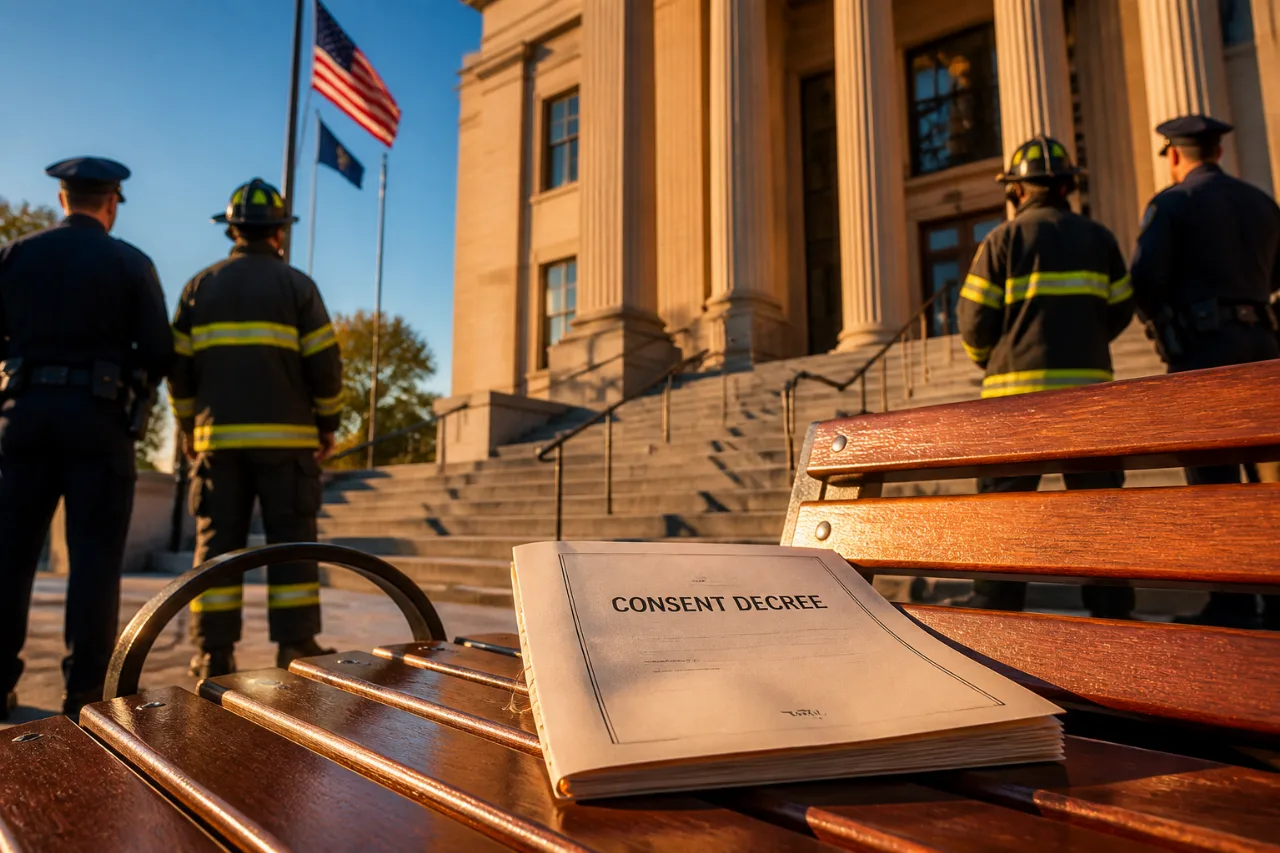
The federal court in Utica has rejected a bid by the Trump administration to end a nearly 50-year-old consent decree that commits the City of Syracuse to increasing the number of female and Black employees in its police and fire departments. Senior U.S. District Judge David Hurd issued a 25-page opinion on June 24, finding the decree’s legal foundation remains intact despite recent Supreme Court decisions on race-conscious policies.
Hurd acknowledged the tension between the consent decree and the Supreme Court’s conservative majority but wrote that recognizing tension does not equal an implicit overruling of established precedent.
“Recognizing tension between lines of existing precedent is not the same thing as concluding that one line has displaced the other,”
The Trump administration had argued that the Supreme Court rulings concerning race-based affirmative action required the consent decree be dissolved. City attorneys opposed that motion, arguing the decree contains important steps to diversify public-safety hiring and to keep those departments representative of Syracuse’s population.
Local response and next steps
Mayor Sharon Owens praised the decision, saying it affirms the city’s long-term commitment to equitable hiring. The local NAACP chapter also welcomed the ruling, with its president calling it an affirmation of accountability and civil-rights protections for Syracuse residents.
- What stays in place: The consent decree and its hiring targets aimed at increasing female and Black representation in Syracuse police and fire departments.
- What changes: None immediately — the judge declined the administration’s request to dissolve the decree.
- Who is involved: The federal court, the U.S. Department of Justice (Trump administration filing), City of Syracuse lawyers, the mayor’s office and local NAACP leadership.
Local context and implications
The consent decree originated nearly five decades ago as a court-ordered remedy to diversify Syracuse’s public-safety workforce. City officials acknowledge that hiring targets in the decree have not yet been fully met. Preserving the decree keeps in place court-supervised measures and monitoring intended to help the Syracuse Police Department and Syracuse Fire Department reflect the communities they serve.
City lawyers successfully argued that the consent decree contains practical measures aimed at improving recruitment and hiring; the judge’s ruling means those measures will remain available to guide the city’s work. The decision is largely procedural and legal — it does not itself impose new quotas or set new dates — but it sustains existing oversight and accountability structures already embedded in local practice.
| Department | Focus of consent decree |
|---|---|
| Syracuse Police Department | Increase hiring of female and Black employees |
| Syracuse Fire Department | Increase hiring of female and Black employees |
For Syracuse residents, the ruling means the city will continue under a court-backed framework intended to promote diversity and monitor progress. The mayor’s office said it will continue implementing hiring practices it described as fair, equitable and inclusive. The local NAACP framed the ruling as a reinforcement of transparency and equal justice for community members who have long sought representation in local public-safety roles.
As the city moves forward, local officials and community groups will likely remain engaged with the court process and with efforts to meet the hiring benchmarks that motivated the original consent decree.