Delaware’s promise of open government is under strain as recent court decisions and agency practices have made it harder for residents and reporters to obtain public records, according to a series of recent legal fights and newsroom efforts.
FOIA’s purpose meets practical roadblocks
The state Freedom of Information Act is intended to give the public a window into how government operates. In practice, however, exemptions and procedural hurdles are frequently invoked by agencies to withhold records, and the path to challenge those denials can be costly and lengthy.
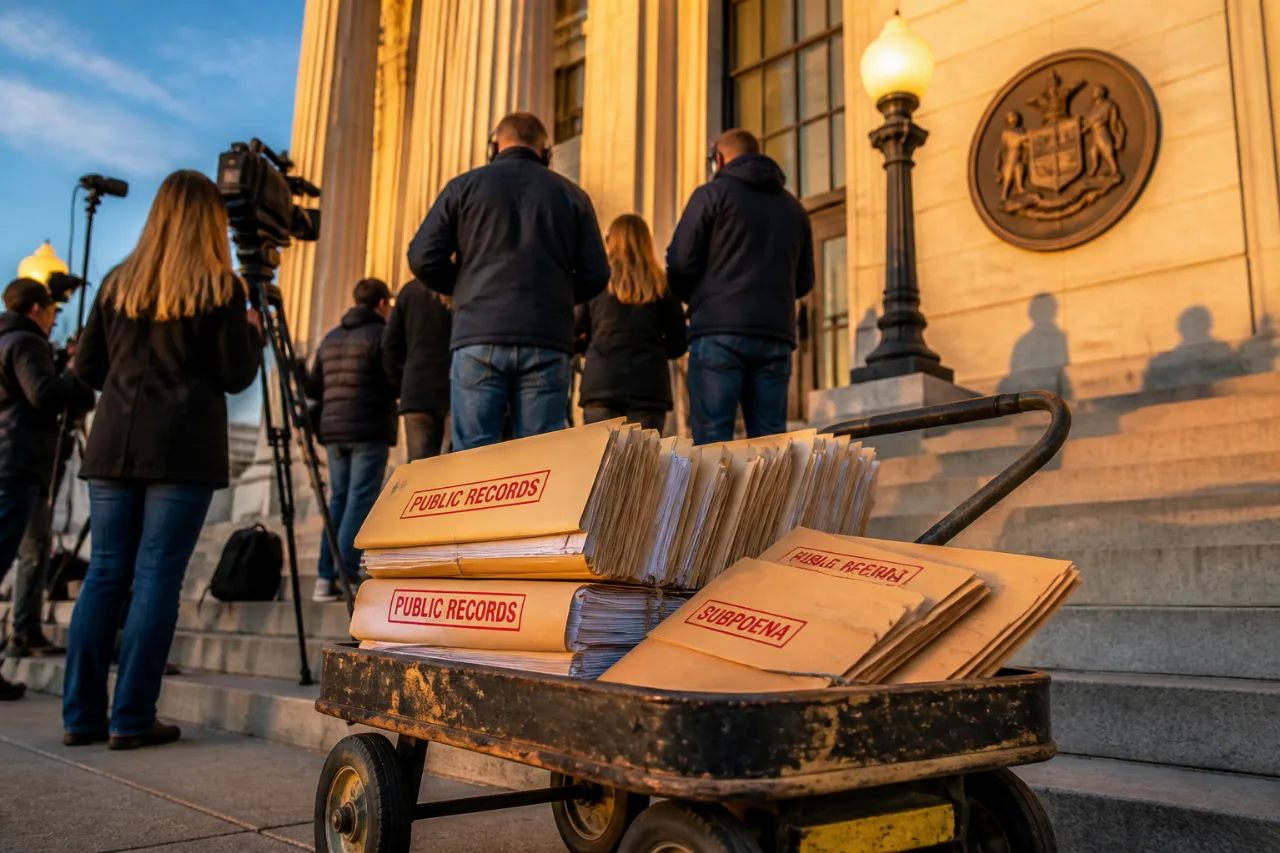
Local newsrooms are feeling the pressure. In response, one Delaware newsroom has required reporters to file at least one FOIA request a week to probe local government actions more aggressively. Those efforts have uncovered high-dollar settlements and disciplinary outcomes that might otherwise have remained hidden.
"Our newsroom recently has expanded its efforts to uncover important public records by requiring each reporter to file at least one FOIA request with a government agency every week."
High-profile examples
Recent public records work turned up several notable cases that demonstrate why access matters to taxpayers and readers:
- A roughly $850,000 settlement paid by government related to a botched sting involving a 22-year-old and a chocolate bar.
- A smaller but still consequential $30,000 payout tied to alleged police misconduct in Millsboro.
Those disclosures came only after persistent record requests and, in some cases, litigation to compel compliance. Plaintiffs and reporters say delays and overbroad application of exemptions frustrate accountability and reduce public scrutiny.
How the process is supposed to work — and where it stalls
Under Delaware law, agencies that deny access must point to statutory exemptions. When requesters believe an exemption is being misused, they can appeal at no cost to the Delaware Department of Justice. But recent court rulings show that even successful appeals can require additional litigation, and the appeals process does not always produce the requested documents.
| Problem | Consequence |
|---|---|
| Overbroad use of exemptions | Records withheld without clear justification |
| Costly legal fights | Smaller newsrooms and citizens may be priced out |
The practical effect is that, for many requests, filing the initial FOIA is only the start of a potentially expensive process. That dynamic raises questions about whether the public can realistically exercise the right the law promises.
Why it matters to Delawareans
Transparency affects everyday issues — how police use force, how taxpayer money is spent defending lawsuits, and how officials respond when things go wrong. When access to records is limited, public confidence can suffer and mistakes may go uncorrected.
As news organizations and civic groups press for clearer application of the law, Delaware residents should know that the legal architecture designed to protect openness requires vigilance and, sometimes, resources to work as intended.